Car Wrap Guide: Types, Finishes, Lifespan and Care
A car wrap is a large sheet of adhesive vinyl film applied over a car’s paint to change its colour or finish, add graphics, or advertise a business. It is removable, protects the paint underneath from light scuffs and UV, and costs less than a quality full respray in most cases. Wraps come in many finishes, from gloss and matte to chrome and colour-shift, and can cover the whole car or just parts of it.
Full wrap, partial wrap and accents
Not every wrap covers the entire car. Many owners start with smaller changes.
| Type | What is covered | Typical reason |
|---|---|---|
| Full wrap | All painted exterior panels | Complete colour change |
| Partial wrap | Bonnet, roof, or one section | Two-tone look, lower cost |
| Roof wrap | Roof only, often gloss black | Panoramic-roof look, contrast |
| Chrome delete | Window trims, grilles, badges | Sportier, “blacked-out” look |
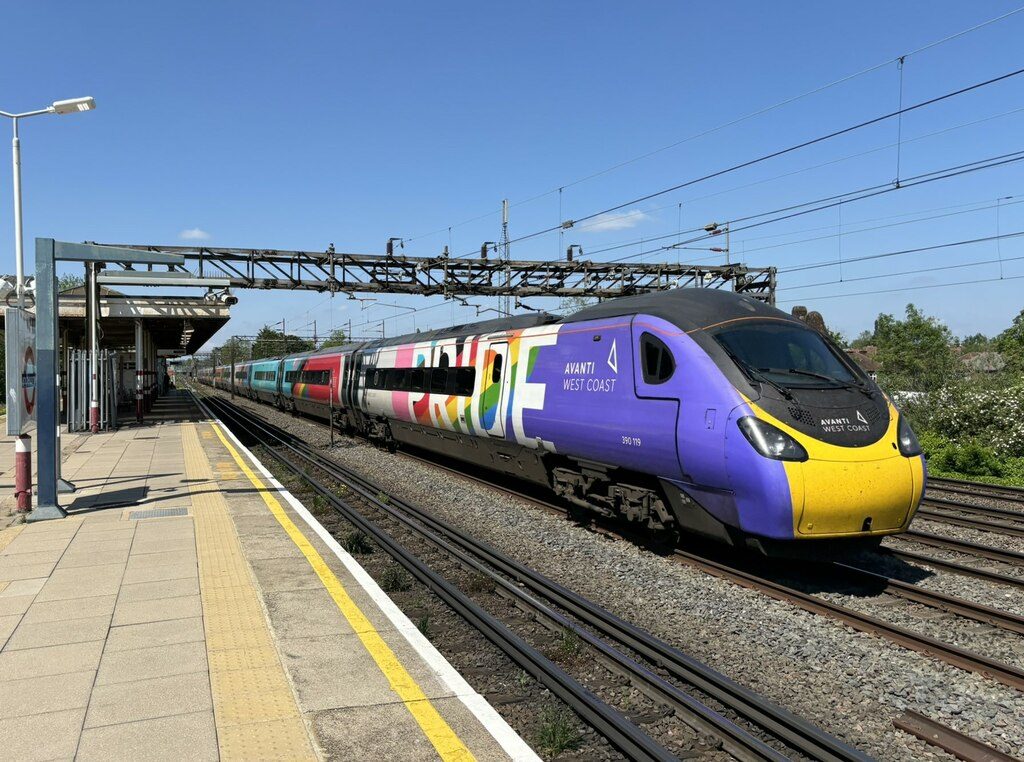
| Commercial wrap | Printed graphics and branding | Business advertising on vans and fleets |
| Interior trim wrap | Dashboard and door inserts | Change trim colour or texture |
Door jambs are usually extra. A full wrap without jambs can look fine when the doors are shut, but the original colour shows when they open.
Wrap finishes
Film makers offer hundreds of colours and textures. The main families are:
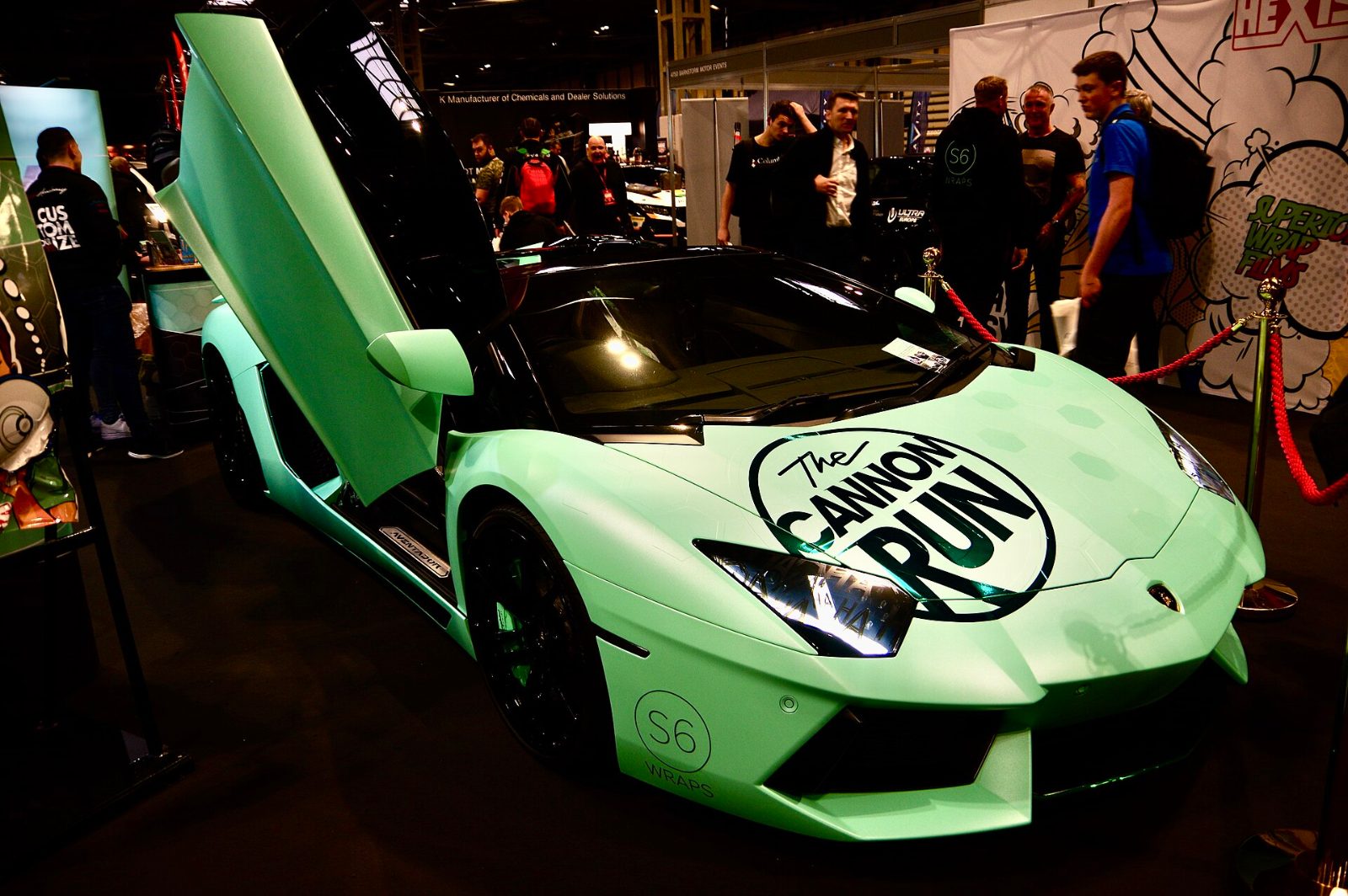
- Gloss. Looks close to paint. Easiest to maintain and the most popular choice.
- Satin. Soft sheen, between gloss and matte. Hides minor dust better than gloss.
- Matte. Flat, no reflection. Shows oily fingerprints and needs special cleaning products.
- Metallic and pearl. Flakes or pearl effects for depth.
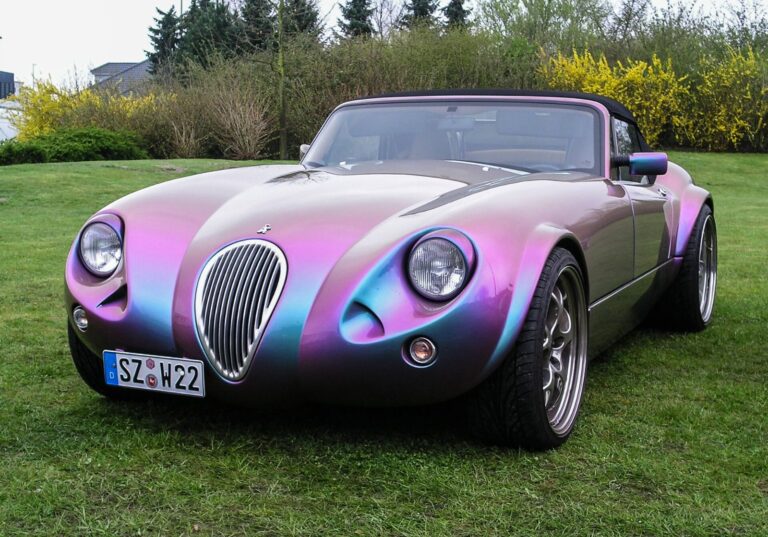
- Colour-shift. Changes colour depending on viewing angle.
- Chrome and mirror. Highly reflective, harder to install and usually more expensive. Check local rules, as very reflective finishes may draw attention from authorities.
- Textured. Carbon fibre, brushed metal and similar effects, often used for accents.
Cast vs calendered film
Full-car colour wraps should use cast vinyl, which conforms to curves without shrinking back. Calendered vinyl is thicker and cheaper and is better suited to flat surfaces and short-term graphics.
How a wrap is installed
- Inspection. Paint condition is checked. Chips and failing clear coat must be repaired first.
- Cleaning. Washing, decontamination and an alcohol wipe remove grease and wax.
- Disassembly. Handles, badges, lights and sometimes bumpers are removed for cleaner edges.
- Application. Film is laid on each panel, stretched with heat, and pressed into place with squeegees.
- Post-heating. Stretched areas are heated to a set temperature so the film keeps its new shape.
- Trimming and reassembly. Edges are trimmed and parts refitted.
- Rest period. Many installers keep the car for a short time to check for lifting before handover.
A full wrap on a typical car takes several days when done carefully.
How long does a car wrap last?
Manufacturers often state indicative durability for vertical surfaces in temperate climates. In the UAE, strong sun and heat shorten that, especially on horizontal surfaces like the roof and bonnet. The real-world lifespan depends on:
- Film quality and finish (specialty films such as chrome usually last less).
- Colour (dark colours absorb more heat).
- Parking (covered parking makes a big difference).
- Washing habits.
Ask your installer for the manufacturer’s warranty terms for this region.
Removing a wrap
One of the main advantages of wrapping is that it can be removed. Done correctly, with heat and slow peeling, quality film comes off cleanly from factory paint. Problems arise when:
- The film is left on too long and becomes brittle.
- Cheap film leaves heavy adhesive residue.
- The underlying paint was poorly resprayed and lifts with the film.
Professional removal is recommended, especially on older wraps.
Colour change and registration
If a wrap changes the main colour of your car, check with the RTA or your emirate’s licensing authority whether the registration must be updated. Rules can change, so confirm before you book the job.
Wrap or paint protection film?
A colour wrap offers light protection against scuffs and UV, but it is not designed to absorb stone chips. Paint protection film (PPF) is thicker, self-healing and made for impact protection. Coloured and matte PPF products exist too, combining a new look with stronger protection at a higher price. Our wrap vs PPF vs ceramic comparison explains the differences.
Caring for a wrapped car
- Hand wash with a pH-neutral shampoo and soft mitt.
- Rinse sand away before touching the film.
- Avoid brush car washes and keep pressure washers away from edges.
- Do not use polish or cutting compounds on wrap film.
- Use matte-specific cleaners on matte and satin wraps.
- Remove bird droppings promptly; they can stain vinyl in the sun.
A wrap is a temporary change on a permanent car. Treat it gently and it will come off as cleanly as it went on.
What affects the cost?
Wrap prices vary by vehicle size and shape, film type, the amount of disassembly, whether door jambs are included and the condition of the paint. Specialty finishes like chrome and colour-shift cost more. Ask for detailed written quotes from more than one installer and make sure each quote names the exact film product.
FAQ
Does a car wrap protect the paint?
It offers some protection from UV and light scuffs, but not from stone chips. For impact protection, use paint protection film.
Can I wash a wrapped car at a car wash?
Hand washing is best. Brush-type automatic washes can lift edges and scratch the film.
Can a wrap be applied over damaged paint?
Vinyl shows imperfections underneath, and it can pull loose paint off during removal. Fix damage first.
Can I wrap only part of my car?
Yes. Roofs, bonnets, mirrors and trims are common partial wraps.
Sources: Roads and Transport Authority, 3M Automotive, Avery Dennison Graphics Solutions
Cover photo: allen watkin from London, UK, CC BY 2.0. Last reviewed: 2026-11-25.