UV Protection Car Wrap: How Wraps Shield Paint From the Sun
Yes, a vinyl wrap or paint protection film shields the paint underneath from UV, because the sun’s rays hit the film instead of the clear coat. But the film itself ages in the sun, so in the UAE you are trading paint fading for film ageing. The best UV protection comes from a quality cast film or PPF with a UV-stable top layer, combined with shade parking and a coating.
Why UV matters so much in the UAE
Ultraviolet light breaks down the chemical bonds in paint, plastics and rubber over time. On a car, the clear coat takes the brunt of it. As the clear coat ages, it loses gloss, becomes hazy and can eventually crack or peel. Once the clear coat fails, the colour underneath fades quickly, with reds and other bright colours usually showing it first.
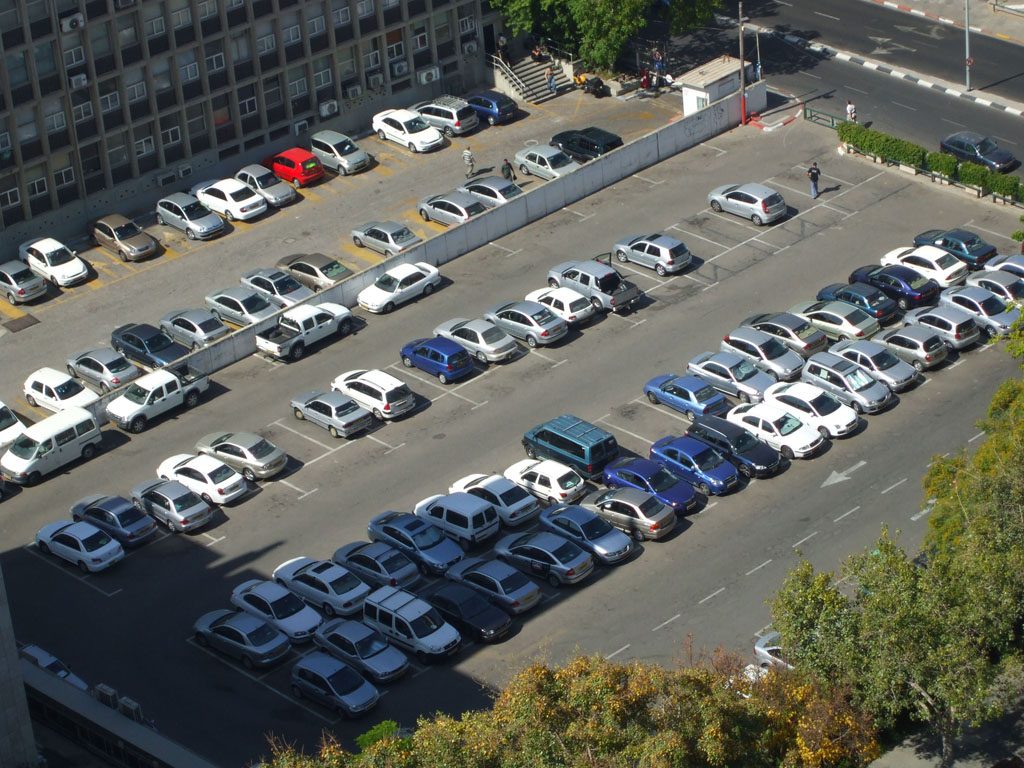
The UAE has strong sunshine almost all year, high UV levels for much of it, and very high surface temperatures in summer. Cars parked outside every day, especially on open lots, age much faster than cars kept in covered parking. The roof, bonnet and boot lid take the most sun because they face the sky.

How a wrap protects paint
A wrap is a physical barrier. UV that would hit the clear coat is absorbed or blocked by the film instead.
| Layer | What it does against UV | What it does not do |
|---|---|---|
| Vinyl colour wrap | Blocks UV from reaching the paint | Does not stop stone chips |
| Clear PPF | Blocks UV and absorbs impacts | Ages and can yellow if low quality |
| Ceramic coating | Adds a UV-resistant layer on paint or film | Thin; not a physical shield like film |
| Covered parking | Reduces UV exposure for everything | Not always available |
The paint under a well-maintained wrap often looks noticeably fresher than exposed paint when the wrap is removed after a few years. That is one reason many owners in the Gulf wrap or film a new car early.
The catch: the film ages instead
Wrap films are made of polymers that also degrade with UV. Manufacturers add UV stabilisers and protective top layers, and they publish expected outdoor durability for each product, usually with lower figures for horizontal surfaces. In strong sun, a wrap that would last many years in a mild climate may age sooner.
Signs of UV ageing on a wrap:
- Colour fading, especially on the roof and bonnet.
- Loss of gloss, or a chalky look on matte and satin films.
- Edges shrinking back or lifting.
- Small cracks on horizontal panels.
- With some clear films, a yellow tint on light-coloured cars.
Cast versus calendered film
Cast vinyl films are generally more dimensionally stable and more durable outdoors than calendered films, which is why quality car wraps use cast film. Calendered films are cheaper and more common for flat signs and short-term graphics.
Choosing a wrap for UV protection
- Choose a cast film from a major manufacturer. Ask for the product name and check its outdoor durability rating.
- Consider lighter colours. Light films reflect more sunlight and run cooler; dark films absorb more heat.
- For maximum protection, consider PPF. Clear PPF keeps the factory colour while blocking UV and stopping chips; coloured PPF changes colour and protects in one layer.
- Ask about the top coat. Many PPF products have a UV-stable, often self-healing top coat. Ask about yellowing resistance specifically.
- Check the warranty wording. Find out whether it covers fading, yellowing and cracking, and whether there are conditions for hot climates or horizontal surfaces.
For a side-by-side view of how wraps, PPF and coatings compare, see our wrap vs PPF vs ceramic coating comparison.
Which panels need protection most
Not every panel gets the same amount of sun. If you are wrapping or filming only part of the car to protect it from UV, prioritise by exposure:
- Roof. Faces the sky all day and takes the most UV and heat. On many cars it is the first panel to show a dull or peeling clear coat.
- Bonnet. Similar exposure to the roof, plus engine heat underneath and stone chips at the front edge.
- Boot lid and rear spoiler. Horizontal surfaces that age faster than the vertical sides.
- Tops of the front wings and door mirrors. Small areas but strongly exposed.
- Plastic trim. Black plastic around the windscreen and bumpers fades to grey in strong sun; trim-safe protectants or film help.
A gloss black roof wrap, a popular style choice, also works as UV protection for the factory roof paint underneath. Clear PPF on the bonnet, roof and mirrors keeps the original colour and protects the most exposed areas without a colour change.
Do not forget the glass
Wraps protect the paint, but the cabin and occupants are exposed through the windows. Quality window films block most UV and reduce heat, protecting the dashboard, leather and skin. They must stay within legal light transmission limits. Our window tint VLT calculator helps you work out what combinations of glass and film are likely to give, and our guide to window tint percentages explains the numbers.
Extending the life of a wrap in strong sun
- Park in shade. It is the single most effective step. A sunshade for the windscreen also protects the dashboard.
- Use a car cover if the car stands outside for long periods, but only on a clean car to avoid scratching.
- Apply a coating made for vinyl or PPF. It adds UV resistance and makes washing easier.
- Wash regularly and gently. Dust and dirt baked on in the sun can stain film. Use pH-neutral, wrap-safe products.
- Avoid harsh solvents that strip UV stabilisers from the surface.
- Inspect the roof and bonnet every few months, comparing them with the doors.
A wrap is sunscreen for paint. Like sunscreen, it works best when it is good quality and renewed before it fails.
When to replace a sun-damaged wrap
Remove and replace a wrap before it becomes brittle. Film that has cracked in the sun can be very slow to remove and may leave adhesive behind. Professional removal with controlled heat or steam reduces the risk of lifting clear coat, especially on repainted panels. Once removed, the factory paint can be decontaminated and either re-wrapped or protected with PPF and coating.
Frequently asked questions
Does a car wrap block UV?
Yes. The film absorbs or blocks UV that would otherwise reach the paint. The film itself ages instead.
Is PPF better than a vinyl wrap for UV protection?
Both block UV from the paint. PPF is thicker, also stops stone chips and often has a UV-stable top coat, but it usually costs more.
Will my wrap fade in the UAE sun?
All films fade eventually. Quality cast films, lighter colours, shade parking and a coating slow it down.
Does a ceramic coating protect against UV?
It adds a thin UV-resistant layer on paint or film, but it does not replace a physical film barrier.
Sources: 3M Automotive, XPEL, Avery Dennison Graphics
Cover photo: Martin Haeusler, CC BY-SA 3.0. Last reviewed: 2026-11-26.