9H Ceramic Coating: What the Hardness Rating Really Means for Your Paint
“9H” on a ceramic coating refers to the top grade of a pencil hardness test: under test conditions, a 9H pencil does not scratch the cured coating. It is a useful marketing shorthand, but it does not mean your car becomes scratch-proof, and almost every coating on the market now claims it, so it tells you little when comparing products.
In this guide
- Where the 9H number comes from
- Why 9H does not mean scratch-proof
- What actually matters when comparing coatings
- Hardness, flexibility and real-world durability
- Consumer versus professional coatings
- Pairing a coating with real impact protection
- Keeping a 9H coating looking good
- Is 9H worth paying extra for?
- Frequently asked questions
Where the 9H number comes from
The pencil hardness test uses a set of pencils graded from soft to hard. A pencil is pushed across a coated surface at a set angle and pressure, and the hardest pencil that does not leave a mark gives the rating. On the common scale used in coating marketing, 9H is the hardest grade.
The test says something about surface hardness of the cured layer. It does not measure thickness, chemical resistance, UV durability, gloss retention or how long the coating lasts on a real car.
Why 9H does not mean scratch-proof
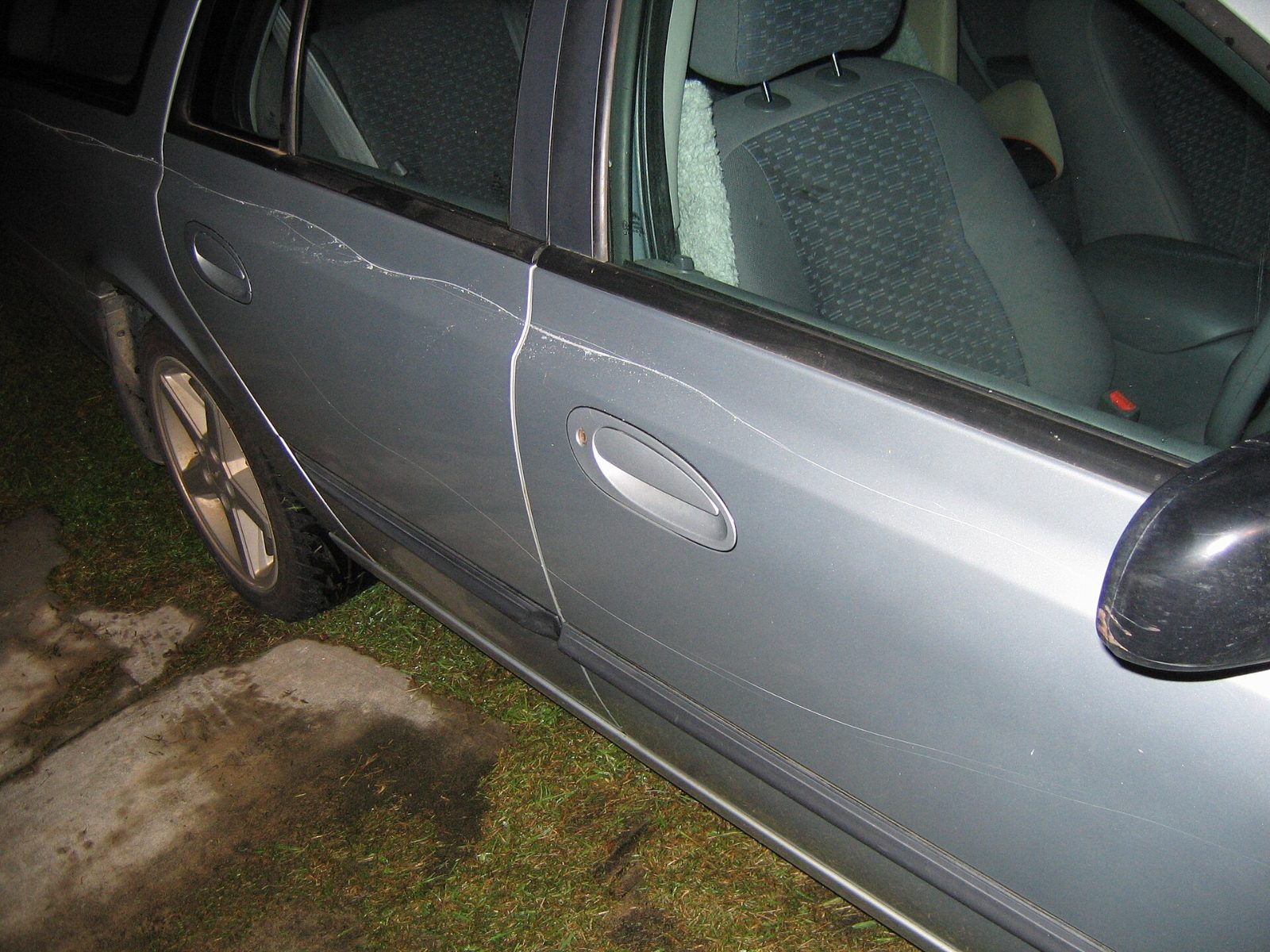
A ceramic coating is very thin compared with the paint system underneath. Even if the coating surface itself is hard, a sharp object like a key, a stone thrown at highway speed, or sand dragged by a dirty wash mitt applies force that goes through to the softer layers below.
Claims to treat carefully
- “Scratch-proof” or “never scratch again”
- “Permanent” protection
- “Replaces paint protection film”
- Hardness claims beyond the 9H top of the scale
A 9H coating resists a pencil; your paint still needs care against keys, gravel and grit.
What actually matters when comparing coatings
Since 9H is now standard on most labels, look at other factors:
| What to compare | Why it matters |
|---|---|
| Brand and exact product | Lets you read the real data sheet and warranty |
| Preparation included | Paint correction drives most of the visible result |
| Chemical resistance | Helps against bird droppings and harsh cleaners |
| UV stability | Important in strong UAE sunlight |
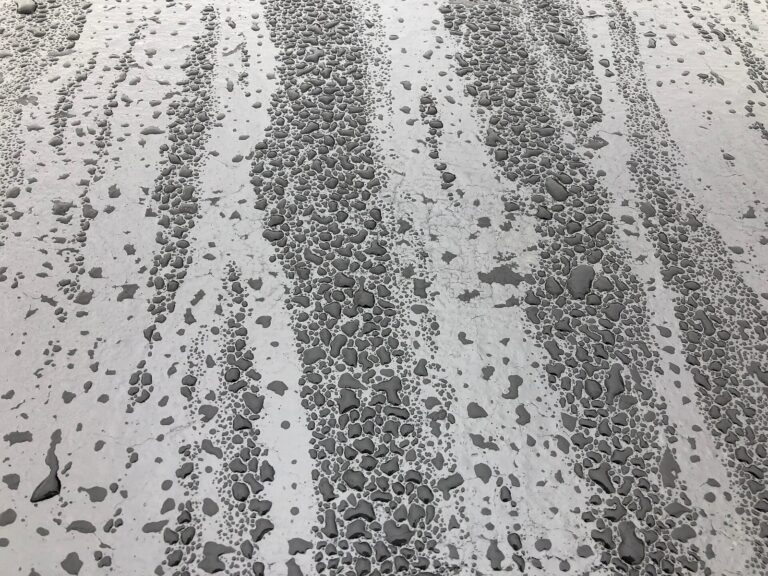
| Water behaviour | Beading versus sheeting affects water spotting |
| Maintenance requirements | Some warranties need regular inspections |
| Installer experience | Application errors like high spots are hard to fix |
Hardness, flexibility and real-world durability
Harder is not automatically better. Car panels expand and contract with temperature, and in the UAE a bonnet can swing from a cool morning to a very hot afternoon every day. A coating also needs some flexibility so it does not crack or lose adhesion as the paint underneath moves. Good formulations balance hardness with flexibility and strong bonding to the clear coat.
Real-world durability depends more on bonding, chemical resistance and maintenance than on the hardness grade. A coating that keeps its water behaviour and gloss after many washes in dusty conditions is doing its job, whatever number is printed on the bottle. Ask installers how their recommended product has held up on cars they have coated in the region, and whether they can show you a car that is a year or two old.
Consumer versus professional coatings
Both consumer and professional products may carry a 9H claim. Professional coatings are often more concentrated and less forgiving to apply, which is why many are sold only through trained installers. Consumer products are designed to be easier to use, sometimes at the cost of durability.
In the UAE, heat makes application harder. Coatings can flash very quickly on hot panels, leaving streaks or high spots. Working in a shaded, temperature-controlled space is important whichever product you choose.
If you apply a coating yourself
- Work in shade on cool panels, ideally early morning or in a garage.
- Do one small section at a time and level it within the product’s stated window.
- Use good lighting to spot high spots before they cure.
- Keep the car dry for the time recommended on the bottle.
Pairing a coating with real impact protection
If your concern is chips and scratches from daily driving, especially on highways between emirates, a coating alone is not enough. The usual approach is paint protection film on high-risk areas such as the bonnet, bumper and mirrors, then a coating over the whole car, including the film. Our Wrap vs PPF vs Ceramic Coating guide explains how each layer contributes.
Keeping a 9H coating looking good
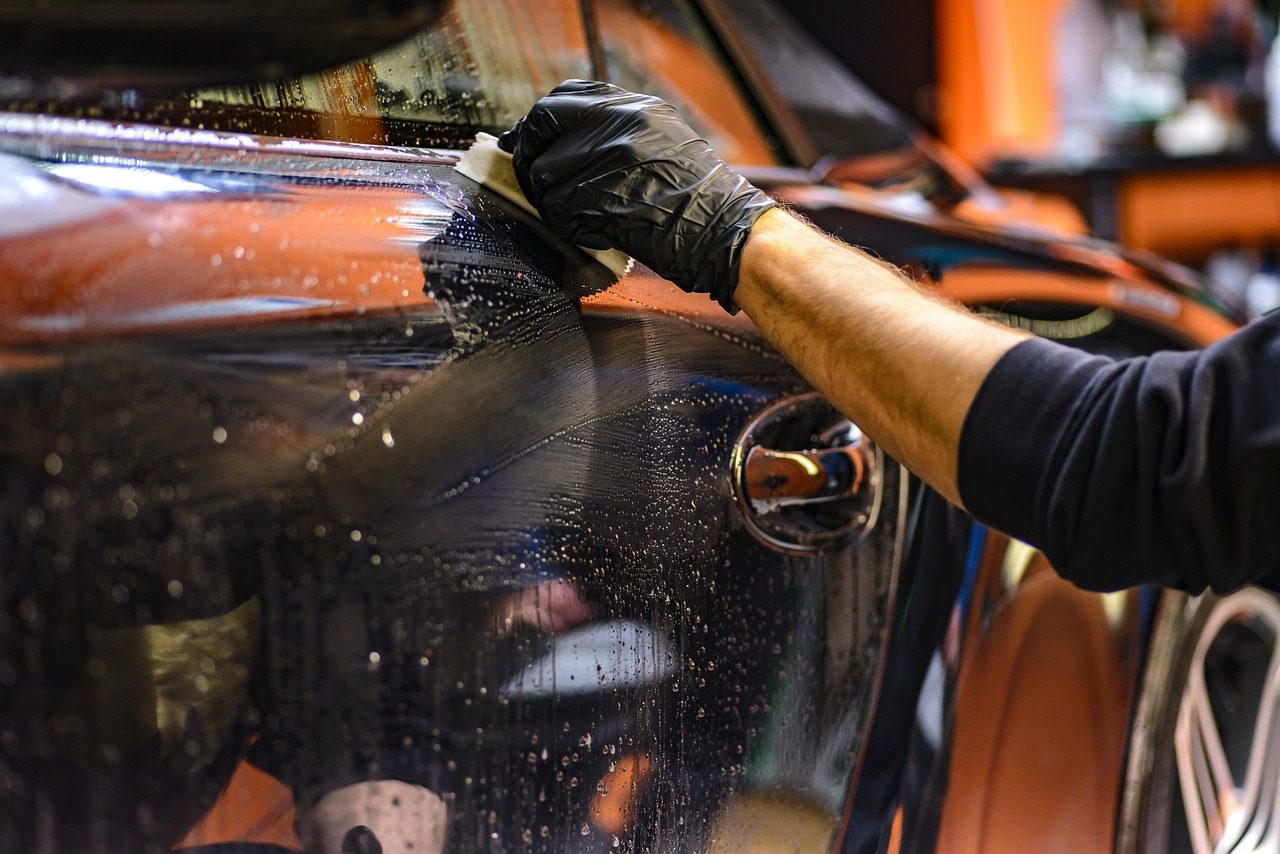
- Wash with pH-neutral shampoo using clean mitts.
- Rinse off dust thoroughly before contact washing.
- Avoid brush car washes, which cause fine swirls even on coated cars.
- Dry promptly to limit water spots, especially in direct sun.
- Use a compatible topper or detail spray every few months.
Is 9H worth paying extra for?
Not on its own. Because most coatings claim 9H, it should not be the reason one product costs more than another. Pay for the preparation, the product’s real-world reputation, the installer’s skill and a clear warranty. A well-prepared car with a mid-range coating often looks better than a poorly prepared car with a premium one.
Frequently asked questions
Does 9H mean the coating is as hard as glass or diamond?
No. Pencil hardness is a different scale from mineral hardness. 9H only refers to the hardest pencil in the test set.
Can a 9H coating prevent swirl marks?
It can reduce how easily light marks appear, but improper washing will still cause swirls over time.
Are some coatings harder than 9H?
Claims above 9H are not meaningful on the standard pencil scale. Treat them as marketing.
Does more layers mean more hardness?
More layers can add thickness, but the surface hardness rating stays the same. Preparation matters more than layer count.
Is a 9H coating good for matte paint?
Use a coating made specifically for matte finishes so it protects without adding gloss.
Sources: ASTM International, International Detailing Association, Gtechniq
Cover photo: Cory Doctorow from Beautiful Downtown Burbank, USA, CC BY-SA 2.0. Last reviewed: 2026-11-25.