
Car Paint Protection Options Compared: Wax, Sealant, Coating and Film
Car paint protection covers anything that sits between your clear coat and the outside world: wax, synthetic sealant, ceramic coating and paint protection film. Each one trades cost, effort and durability differently. In the UAE, where paint faces strong sun, sand and frequent washing, the right choice depends on how long you keep the car, where you park and how much time you want to spend on upkeep.
Why paint needs protecting at all
Modern factory paint is a layered system: primer, colour (base) coat and a clear coat on top. The clear coat does most of the work against UV and weather, but it is thin and relatively soft. Every wash with a gritty mitt, every sandstorm and every bird dropping left to bake in the sun takes a little away. Once the clear coat is damaged, the only real fix is machine polishing, which removes more of it, or a respray.
Protection products work by adding a sacrificial or harder layer on top, so that layer takes the wear instead of the clear coat.
The four main options
Wax
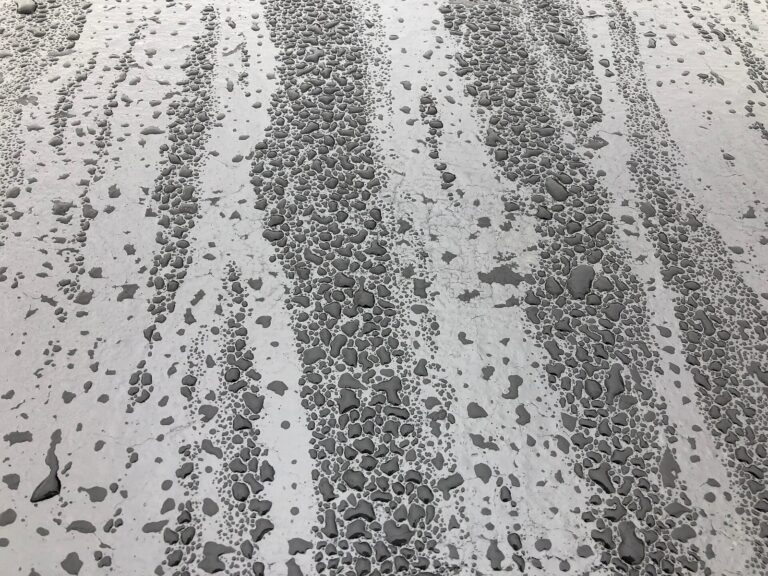
Natural carnauba wax and blended waxes give a warm gloss and make water bead. They are easy to apply by hand. The downside is durability: in high heat, wax softens and wears off quickly, so it needs frequent reapplication. It offers little resistance to scratches or chemical etching.
Synthetic sealant
Sealants are polymer-based products that bond to paint more firmly than wax. They usually last longer and handle heat better, and most can be applied by hand. Many spray-on “quick sealants” fall into this group.
Ceramic coating
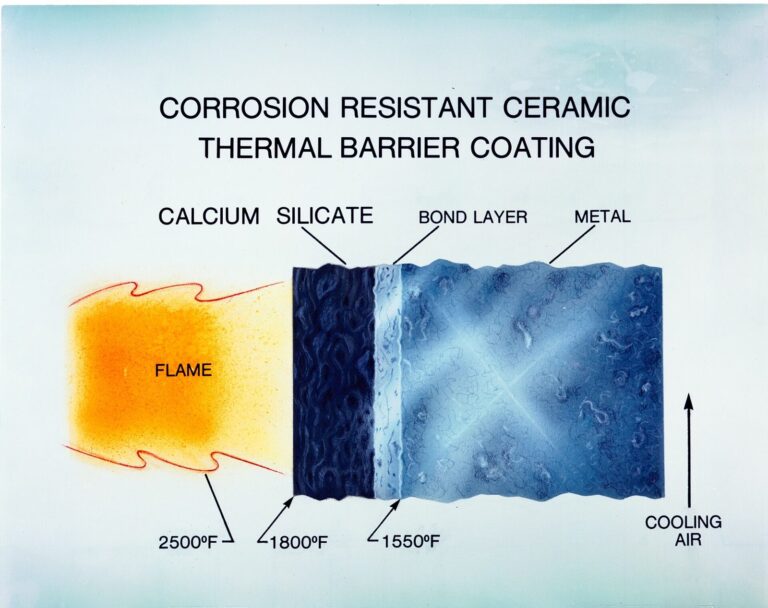
A ceramic coating is a liquid, usually based on silica or similar compounds, that cures into a hard, thin, glass-like layer. It resists chemicals and UV better than wax or sealant and makes washing easier. It does not stop stone chips or deep scratches. Professional coatings require careful paint correction beforehand. For more depth, see our guides on nano ceramic coating and the disadvantages of ceramic coating.
Paint protection film
PPF is a thick, clear urethane film. It is the only option on this list that physically absorbs stone chips and resists scratches by taking the impact itself. It costs the most and needs a skilled installer. Many owners combine it with a coating: film on high-impact areas, coating everywhere else.
How they compare
| Option | Typical durability | Chip protection | Scratch resistance | DIY friendly | Relative cost |
|---|---|---|---|---|---|
| Wax | Weeks | None | Very low | Yes | Low |
| Sealant | Months | None | Low | Yes | Low |
| Ceramic coating | Often one year or more, product dependent | None | Light swirl resistance | Consumer versions only | Medium to high |
| PPF | Several years | Yes | Good, often self-healing | No | Highest |
Durability figures depend heavily on climate, washing habits and the specific product. Treat manufacturer claims as best-case numbers. Our wrap vs PPF vs ceramic comparison shows how these choices also relate to vinyl wraps.
What none of them do
No product makes paint indestructible. Car park dents, keyed scratches and a careless automatic wash can still cause damage. Protection reduces wear; it does not remove the need for sensible care.

The UAE factors that change the decision
Heat and UV
Long summers with high temperatures speed up the breakdown of waxes and some sealants. Coatings and films hold up better, but every product ages faster under strong sun. Covered parking makes a noticeable difference to how long any protection lasts.
Sand and grit
Fine sand on the surface turns every wipe into light sanding. This is why touchless pre-rinse, foam and proper wash mitts matter more here than in rainy climates. Coatings make it easier for loose dust to rinse off.
Hard water spots
Water left to dry in the sun can leave mineral spots that etch into paint over time. Coatings resist this better than bare paint, but they are not immune. Drying the car after washing and avoiding washes in direct midday sun help.
Choose protection based on how you actually use the car, not on the most impressive product brochure.
Matching protection to your situation
Quick guide
- New car kept for many years, long highway commutes: PPF on the front, coating on the rest
- Daily car, outdoor parking, limited time for care: ceramic coating
- Older car or short ownership: quality sealant topped up every few months
- Enthusiast who enjoys detailing: sealant or coating plus regular hand washes
Preparation matters more than the product
Any coating or film applied over swirled, contaminated paint locks those defects in. Professional jobs usually start with a decontamination wash, clay bar or chemical iron remover, and machine polishing to remove marks. Ask what preparation is included before comparing prices, because a cheap quote often means less correction.
Keeping protection working over time
Whatever you choose, the first few months set the pattern. A coating that is washed carefully and topped up with a compatible spray every so often will keep beading and sheeting water far longer than one that goes through brush washes every week. Film that is rinsed before contact washing and kept away from harsh solvents keeps its clarity. Wax and sealant simply need reapplying on a schedule, which some owners enjoy as part of a weekend routine.
It also helps to inspect the car properly once in a while. Look along the panels in low evening light, when swirls and water spots are easiest to see. Check film edges around the bonnet and headlights, and feel the paint with a clean hand inside a plastic sandwich bag: if it feels rough, bonded contamination has built up and a decontamination wash is due. Small problems caught early are cheaper and easier to fix than a neglected finish that needs full correction.
Frequently asked questions
Is ceramic coating better than wax?
For durability and chemical resistance, yes. Wax can look excellent but needs frequent reapplication in hot climates.
Do I need PPF if I have a ceramic coating?
They do different jobs. A coating does not stop stone chips. If chips on the bonnet and bumper are your main worry, film is the only product that addresses them.
Can I apply protection myself?
Wax, sealants and consumer ceramic sprays are designed for home use. Professional coatings and PPF are best left to experienced installers.
How often should protected paint be washed?
Regular gentle washing helps any protection last. In dusty conditions, more frequent light washes are better than occasional heavy scrubbing.
Sources: International Detailing Association, RTA Dubai
Last reviewed: 2026-11-25.