Window Tint Film Types Explained: Dyed, Metallic, Carbon and Ceramic
Window tint film is a thin polyester laminate applied to the inside of car glass to cut glare, block ultraviolet light and reduce the heat that builds up in the cabin. The four main types are dyed, metallised, carbon and ceramic film, and they differ mainly in how they stop heat, how long their colour lasts and whether they interfere with phone and GPS signals.
What tint film is made of
Almost every automotive tint starts with layers of polyester (PET) film. Between and on those layers, manufacturers add dye, metal particles, carbon or ceramic compounds to control how much light and heat passes through. A scratch-resistant hard coat goes on the side that faces the cabin, and a mounting adhesive goes on the side that touches the glass.
Two numbers describe most films. VLT, or visible light transmission, is the share of visible light that gets through; a lower number means a darker look. TSER, total solar energy rejected, tells you how much of the sun’s total energy the film keeps out. The two are related but not the same: a light ceramic film can reject more heat than a darker dyed one.
The four main film types
Dyed film
Dyed film is the simplest and usually the cheapest. A dye layer absorbs part of the incoming light, which gives privacy and cuts glare. It absorbs heat rather than reflecting it, so some of that heat still radiates into the cabin. Over time, strong sun can fade the dye, and older dyed films could turn purple. In a climate like the UAE’s, that fading tends to happen sooner.
Metallised film
Metallised film contains fine metal particles that reflect some heat before it reaches the glass. It is durable and resists fading well. The trade-off is that metal can interfere with radio, mobile phone, GPS and toll-tag signals. Some drivers notice weaker reception; others do not. The finish can also look slightly mirrored, which some owners dislike.
Carbon film
Carbon film uses carbon particles instead of dye or metal. It has a matte, dark look, holds its colour well and does not interfere with electronics. Heat rejection is generally better than dyed film. We cover it in more detail in our guide to carbon window tint.
Ceramic film
Ceramic film uses non-conductive ceramic nanoparticles that are good at blocking infrared, the part of sunlight we feel as heat. That means a ceramic film can stay fairly light and still keep the cabin noticeably cooler. It does not affect signals and does not fade like dye. It is usually the most expensive option. Our ceramic window tint article goes deeper.
Side-by-side comparison
| Film type | Heat rejection | Colour stability | Signal interference | Typical look |
|---|---|---|---|---|
| Dyed | Lower | Can fade over time | None | Flat dark |
| Metallised | Medium to good | Good | Possible | Slightly reflective |
| Carbon | Good | Very good | None | Matte dark |
| Ceramic | Good to excellent | Very good | None | Clear to dark, neutral |
These are general tendencies. Individual products within each type vary a lot, so always compare the specification sheet for the exact film you are offered.
Numbers worth asking for
- VLT for each window you plan to tint
- TSER, total solar energy rejected
- Infrared rejection figure, and how it was measured
- UV rejection (most quality films block nearly all UV)
- Warranty length and what it covers: fading, bubbling, peeling
The UAE angle: legal limits and heat
Tint darkness in the UAE is regulated, and fines apply to cars with tint darker than permitted. Rules have changed over the years and can be updated, so check the current limits with the traffic authority before choosing a film. Our window tint VLT calculator helps you work out the combined VLT of factory glass plus film, which is what enforcement measures.
Heat is the other big factor. A car parked outdoors in summer can feel unbearable on entry. Heat-rejecting films will not fix that completely, but they do reduce how fast the cabin heats up and how hard the air conditioning has to work afterwards.
In a hot climate, choose film by heat rejection first and darkness second. Darker is not automatically cooler.

Installation and curing
Film is applied wet. The installer cleans the glass, sprays a slip solution, positions the film and squeezes the water out. Some moisture stays trapped for a while, which can show as haze or small water pockets. In warm weather this usually clears within days, though thicker films can take longer.
After fitting
Keep the windows closed for the period your installer gives, avoid cleaning the inside of the glass with ammonia-based cleaners, and do not pick at small bubbles. Most disappear as the film cures.
Choosing a film for how you use the car
Think about where the car spends its time. A car that sits outdoors at work all day and does short trips benefits most from strong infrared rejection on every window, including the rear screen. A family car with children in the back may prioritise darker rear windows for privacy and shade, within the legal limits. A car used mostly at night may need lighter front windows so that visibility stays good on poorly lit roads.
Also think about the glass you already have. Many modern cars come with factory privacy glass in the rear, which is darkened during manufacture rather than coated. Adding film on top of that glass lowers the combined VLT further, so a film that looks light on its own can push the rear windows darker than expected. A reputable installer will measure the glass with a meter before quoting and explain how the finished result will compare with the permitted limit.
Frequently asked questions
Which tint film is best for heat in Dubai?
Ceramic films are generally the strongest at blocking infrared heat without needing to be very dark. Carbon films are a good mid-range option. Compare TSER figures from the product data sheet.
Does window tint film block UV?
Quality automotive films block nearly all UV radiation, which helps protect skin and slows fading of seats and dashboards.
Will metallic tint affect my phone or Salik tag?
It can. Metal particles may weaken some signals. If you rely heavily on navigation and connected services, carbon or ceramic film avoids the issue.
How long does tint film last?
That depends on the film type, sun exposure and installation quality. Warranties from major brands commonly cover several years; read what is excluded.
Sources: International Window Film Association, Dubai Police, RTA Dubai
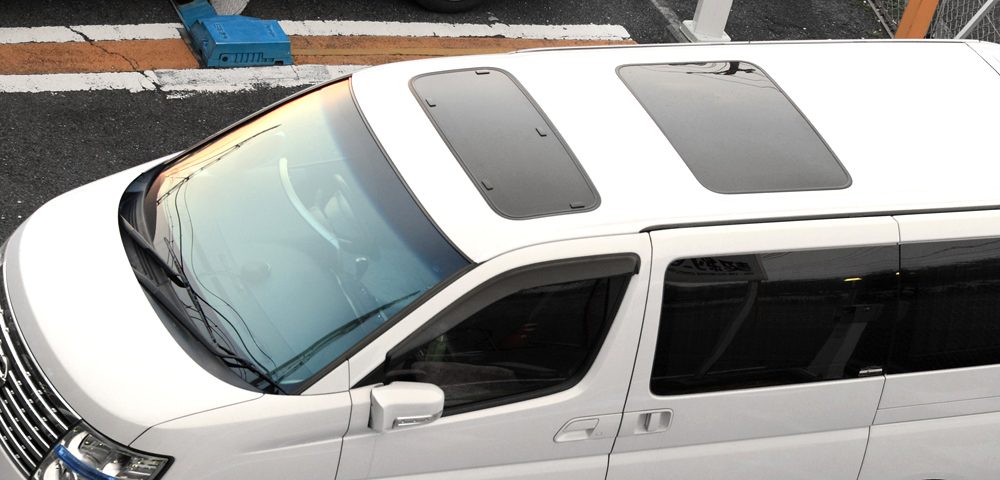
Cover photo: Dimosca, CC BY-SA 4.0. Last reviewed: 2026-11-25.