Best Car Window Tint for Heat Reduction: What Really Keeps a UAE Cabin Cooler
For heat reduction, the best car window tint is a high-quality ceramic or multilayer film with a high total solar energy rejected (TSER) figure, applied to every legal window including a clear heat-rejection film on the windscreen where permitted. Darkness alone does not decide heat performance, so a lighter premium film often keeps a UAE cabin cooler than a darker budget one.
Where car heat actually comes from
Sunlight that reaches your car carries energy in three bands. Roughly speaking, infrared makes up a large share of the heat you feel, visible light makes up much of the rest, and ultraviolet is a small slice of the energy but a big factor in fading and skin exposure.
Because UAE rules limit how much visible light can be blocked, the smartest way to cut heat is to target infrared and UV. That is exactly what ceramic and multilayer optical films are designed to do.
Film types ranked for heat
| Film type | Heat rejection at legal shades | Clarity | Signal-safe | Typical price tier |
|---|---|---|---|---|
| Dyed | Low | Good | Yes | Budget |
| Metallised | Good | Can look mirrored | No, may interfere | Mid |
| Carbon | Good | Good, matte look | Yes | Mid |
| Ceramic / nano-ceramic | Very good | Very good | Yes | Upper |
| Multilayer optical (premium) | Excellent | Excellent | Yes | Top |
For most UAE drivers focused on comfort, ceramic is the sweet spot. Premium multilayer films can perform even better but at a higher price.
Numbers to compare
Heat specs decoded
- TSER (total solar energy rejected): the best single number for comparing overall heat performance. Higher is better.
- IR rejection: useful, but brands measure it at different wavelengths, so do not compare it across brands blindly.
- VLT: tells you darkness and legality, not heat.
- SHGC (solar heat gain coefficient), sometimes quoted: lower means less heat entering.
Always compare figures for the exact shade you are buying and, ideally, measured on similar glass. A film’s best-case figure in a brochure may be for its darkest version.
Ask “what is the TSER of this exact film and shade?” before you ask about price.
Where heat film matters most
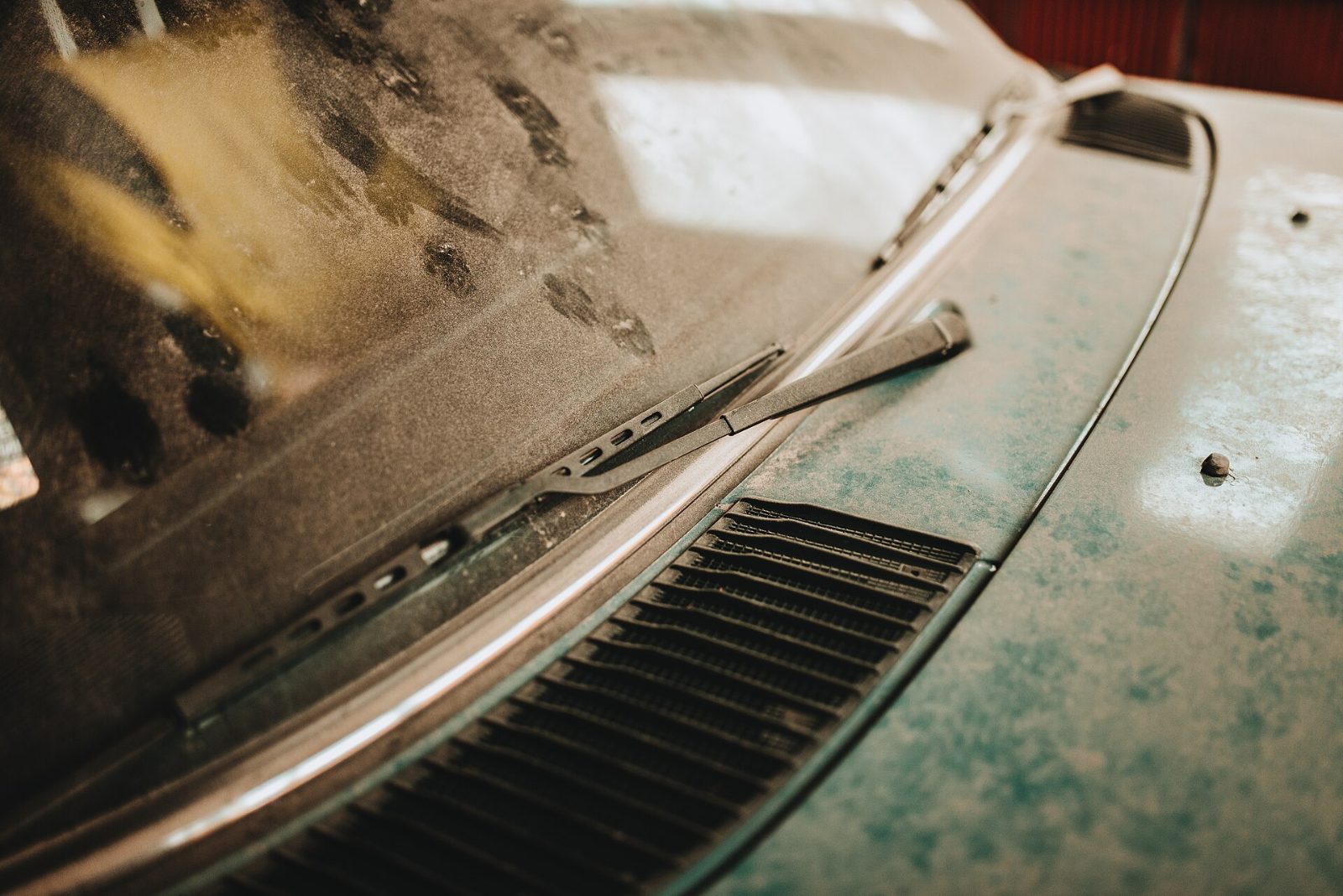
- Windscreen: the biggest window and the one facing the sun most of the time. A clear heat-rejection film, where permitted, can make a noticeable difference to dashboard and steering wheel temperature.
- Panoramic roofs and sunroofs: on many SUVs the roof glass is a major heat source, especially for rear passengers.
- Rear windscreen: large on hatchbacks and SUVs; the sun hits it during long drives.
- Front side windows: right next to the driver’s arms and face.
Check our Window Tint VLT Calculator to estimate the final darkness on each window, especially rear glass that already has factory tint.
Real-world results to expect
Even the best film does not turn a sun-baked car into a fridge. A car parked in July sun will still be hot when you open it. What a good film changes is how fast the cabin cools once the AC runs, how much heat you feel on your skin while driving, and how hot surfaces like the dashboard and seats get over time. Many owners also notice less glare and less squinting on long drives.
Getting the most from heat film
- Combine tint with a reflective sunshade when parked outdoors.
- Choose covered or shaded parking when possible.
- Pre-cool with remote start if your car has it, rather than blasting AC on a full heat-soaked cabin.
- Keep the film clean; dust reduces clarity, though not heat rejection.
Installation quality
Heat rejection depends on the film being properly applied. Gaps at edges let light and heat through, and bubbles or dust spots spoil clarity. Ask whether the installer uses computer-cut patterns, how they handle curved rear glass, and whether they will meter the windows afterwards.
Price considerations
Premium heat films cost more, and windscreen and roof films add to the total. Rather than relying on a single figure online, ask for written quotes that name the exact product and shade for each window. Compare TSER per quote and warranty terms, then decide where to spend: windscreen and roof first for comfort, side and rear windows next.
If you are also deciding on paint protection or ceramic coating, our Wrap vs PPF vs Ceramic Coating guide shows how tint fits into a complete heat and surface protection plan.
Frequently asked questions
Does darker tint always reduce more heat?
No. Darker dyed films can block less infrared than lighter ceramic films. Compare TSER rather than shade.
Is windscreen heat film legal in the UAE?
Only clear heat-rejection films that keep the windscreen within the rules, and only where authorities permit them. Check with police in your emirate.
Will heat film reduce my fuel use?
A cooler cabin can reduce AC load, but the effect on fuel use varies and is hard to measure. Treat comfort as the main benefit.
How long does it take to feel the difference?
Usually straight away once the film has cured. Comfort improves most noticeably on long daytime drives.
Does heat film protect the interior?
Yes. Quality films block most UV, which slows fading and cracking of dashboards, leather and trims.
Sources: International Window Film Association, Dubai Police, Skin Cancer Foundation
Cover photo: inkknife_2000 (7.5 million views +), CC BY-SA 2.0. Last reviewed: 2026-11-25.