Car Window Tinting in the UAE: Film Types, Heat and Legal Limits
Car window tinting means applying a thin film to the inside of the glass to cut glare, heat and ultraviolet light and to add some privacy. In the UAE it is popular for obvious reasons, but it is also regulated: side and rear windows have a legal limit on how dark the tint can be, and the windscreen is treated differently. The best results come from choosing film by heat rejection, not darkness alone, and staying within the current rules.
What window tint actually does
Sunlight reaching your car carries three kinds of energy that matter here:
- Visible light, which causes glare and lets people see in.
- Infrared (IR), which you feel as heat on your skin and in the cabin.
- Ultraviolet (UV), which you cannot see but which fades interiors and affects skin.
Good tint film blocks most UV, reduces IR and lowers visible light to a chosen level. The darkness of the film is measured as visible light transmission, or VLT. A 50 percent film lets half the visible light through; a 20 percent film lets in only a fifth.
Darker is not the same as cooler
A common mistake is assuming the darkest film keeps the car coolest. Heat rejection depends largely on how the film handles infrared light, and modern ceramic and carbon films can block a large share of infrared while still being relatively light. A cheap dark dyed film can make the car look private while still letting a lot of heat through.
When comparing films, look at three numbers on the manufacturer’s data sheet:
- VLT – how much visible light passes through.
- IR rejection – how much infrared heat is blocked.
- TSER (total solar energy rejected) – a combined measure of overall heat reduction.
Make sure you compare figures measured the same way, ideally for the same type of glass.
Types of tint film
| Film type | How it works | Pros | Cons |
|---|---|---|---|
| Dyed | Dye layer absorbs light | Lowest cost, dark look | Lower heat rejection, can fade or turn purple over time |
| Metallised | Metal particles reflect heat | Good heat rejection, durable | Can interfere with phone, GPS and toll tag signals; shiny look |
| Carbon | Carbon particles absorb IR | Matte finish, good heat rejection, no signal issues | Mid-range price |
| Ceramic | Non-conductive ceramic particles | Highest heat rejection for a given VLT, clear view, no signal issues | Highest price |
| Crystalline / multilayer | Many thin optical layers | Very clear, strong IR rejection even in light shades | Premium price, fewer brands |
The legal side in the UAE
UAE rules set a maximum tint level for side and rear windows, commonly stated as up to 50 percent, and do not allow tint on the front windscreen apart from limited exceptions. Some people with medical conditions can apply for exemptions. Rules and fines can be updated, so check with the Ministry of Interior, the RTA in Dubai or your emirate’s police before choosing a film.
Check before you tint
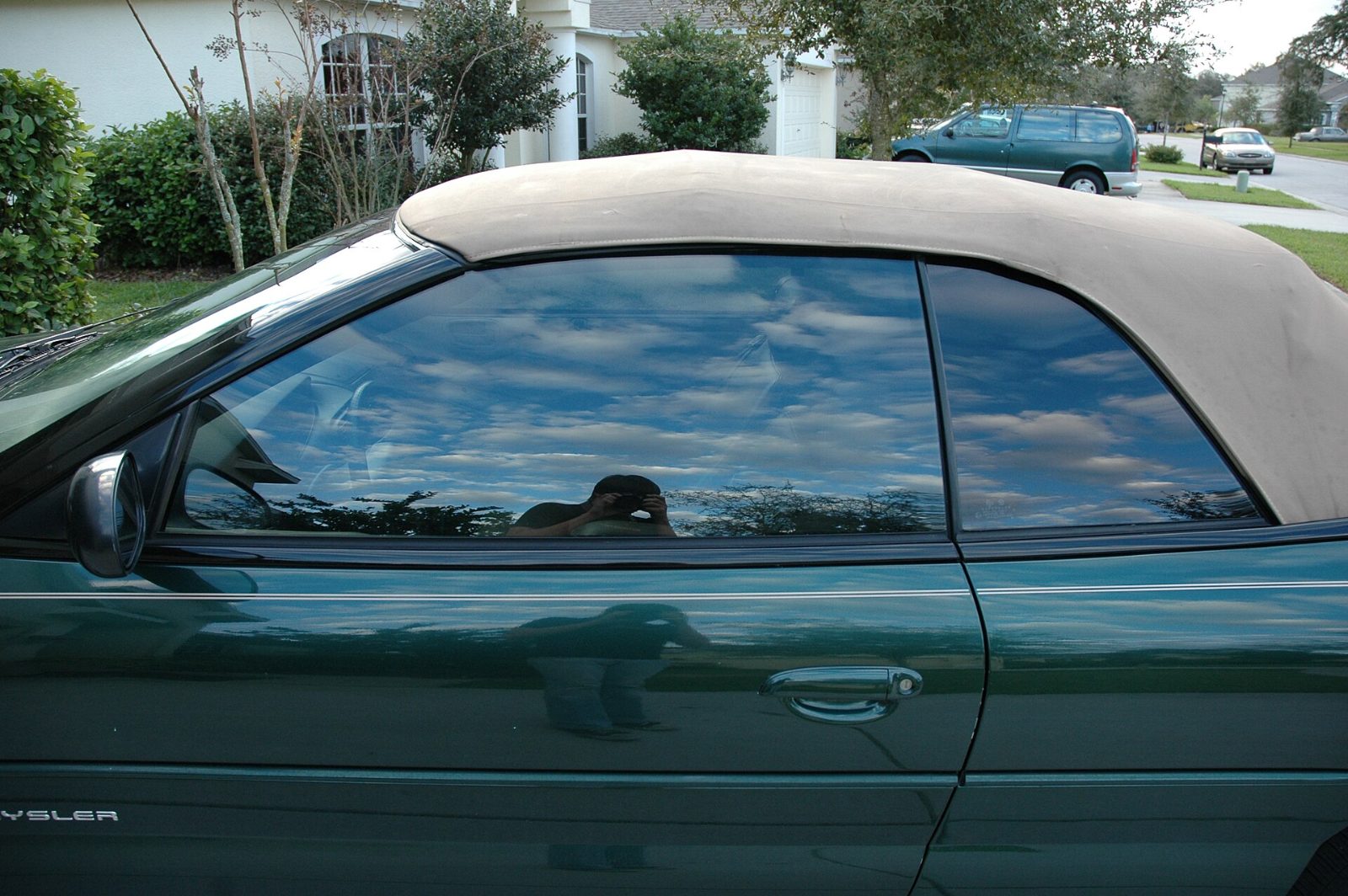
A film that is legal on its own can become too dark when it is applied over glass that is already factory-tinted. Ask the installer to measure the combined VLT after fitting. Our window tint VLT calculator shows how layers combine.
How installation works
A good installation is nearly invisible. The process usually looks like this:
- The glass is cleaned thoroughly inside and out, including the edges and seals.
- The film is cut to shape, often with a computer-cut pattern for your car model.
- On curved rear windows, the film is heat-shrunk on the outside of the glass so it lies flat.
- The film is applied with a slip solution and squeegeed to remove water and air.
- Edges are sealed and checked for dust, bubbles and gaps.
Small cloudy patches or water bubbles in the first days are normal while the film cures. Do not roll windows down for the period your installer recommends, often a few days, so the edges can bond.
Choosing a shade
Your choice depends on what you want most.
- Maximum heat reduction with a lighter look: ceramic film at the legal limit.
- Privacy for rear passengers: a darker legal shade on rear windows, if allowed for your car type.
- Night driving visibility: avoid going darker than you need; lighter films are easier on the eyes at night and in car parks.
- Keeping the factory look: a light ceramic or crystalline film adds heat rejection without changing appearance much.
Ask for a heat lamp demo
Many studios have a heat lamp display. Holding your hand behind different film samples shows the difference in IR rejection more clearly than any brochure.
Warranty and quality signs
Reputable film brands offer warranties against bubbling, peeling, cracking and colour change, sometimes for many years. Warranties usually require installation by an authorised installer, so ask for the warranty card and keep the invoice.
Signs of a careful job:
- Edges close to the glass border without visible gaps.
- No dust specks or hair trapped under the film.
- Even colour across all windows.
- No knife marks on the glass or rubber seals.
Caring for tinted windows
- Wait until the film has cured before cleaning the inside of the glass.
- Use ammonia-free glass cleaner and a soft microfibre cloth.
- Do not use scrapers or abrasive pads on the inside.
- Be careful with seatbelt buckles and rings near rear windows.
Pick film by heat rejection first, then choose the darkest legal shade you are comfortable driving with at night.
FAQ
What tint percentage is legal in the UAE?
Side and rear windows are commonly limited to 50 percent, with the windscreen not allowed except in specific cases. Check the current rule with the Ministry of Interior or your local traffic authority.
Does window tint really reduce heat?
Yes, especially quality ceramic or carbon films with high IR rejection. The difference is noticeable when the car has been parked in the sun.
Will tint interfere with my Salik tag or phone?
Metallised films can affect signals. Carbon and ceramic films are non-metallic and do not usually cause problems.
How long does car window tint last?
Quality films from established brands last many years and carry long warranties. Cheap dyed films may fade or bubble within a few summers.
Can I remove old tint myself?
It is possible but messy, especially on rear windows with heater lines. A studio can remove it without damaging the defroster.
Sources: UAE Ministry of Interior, Roads and Transport Authority, International Window Film Association
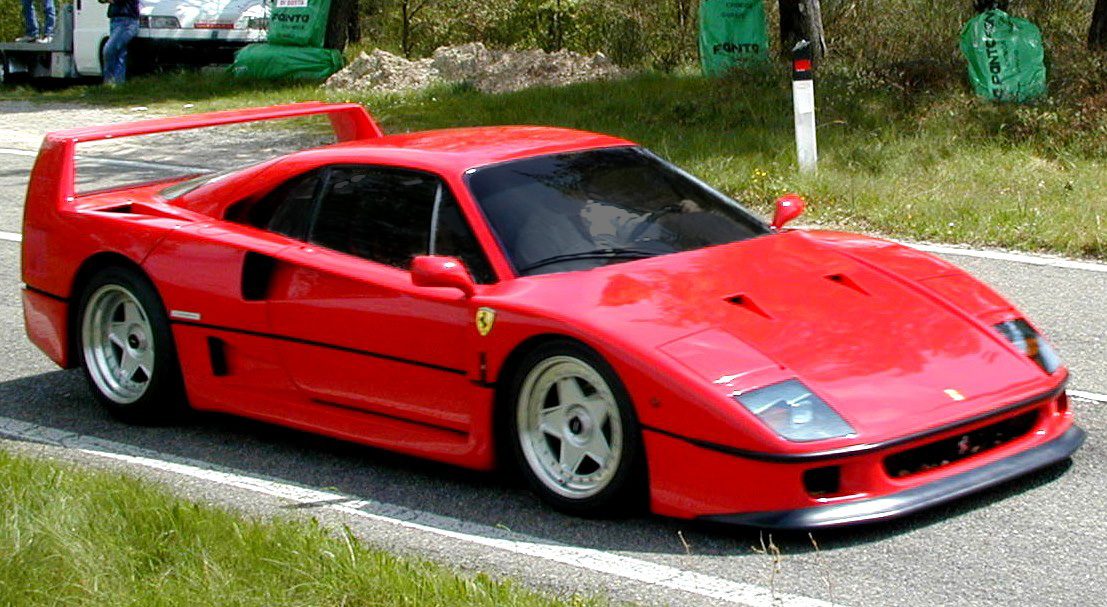
Cover photo: User Adriano on it.wikipedia, CC BY-SA 3.0. Last reviewed: 2026-11-25.