Car Wrap Removal: How It Is Done and How to Protect the Paint
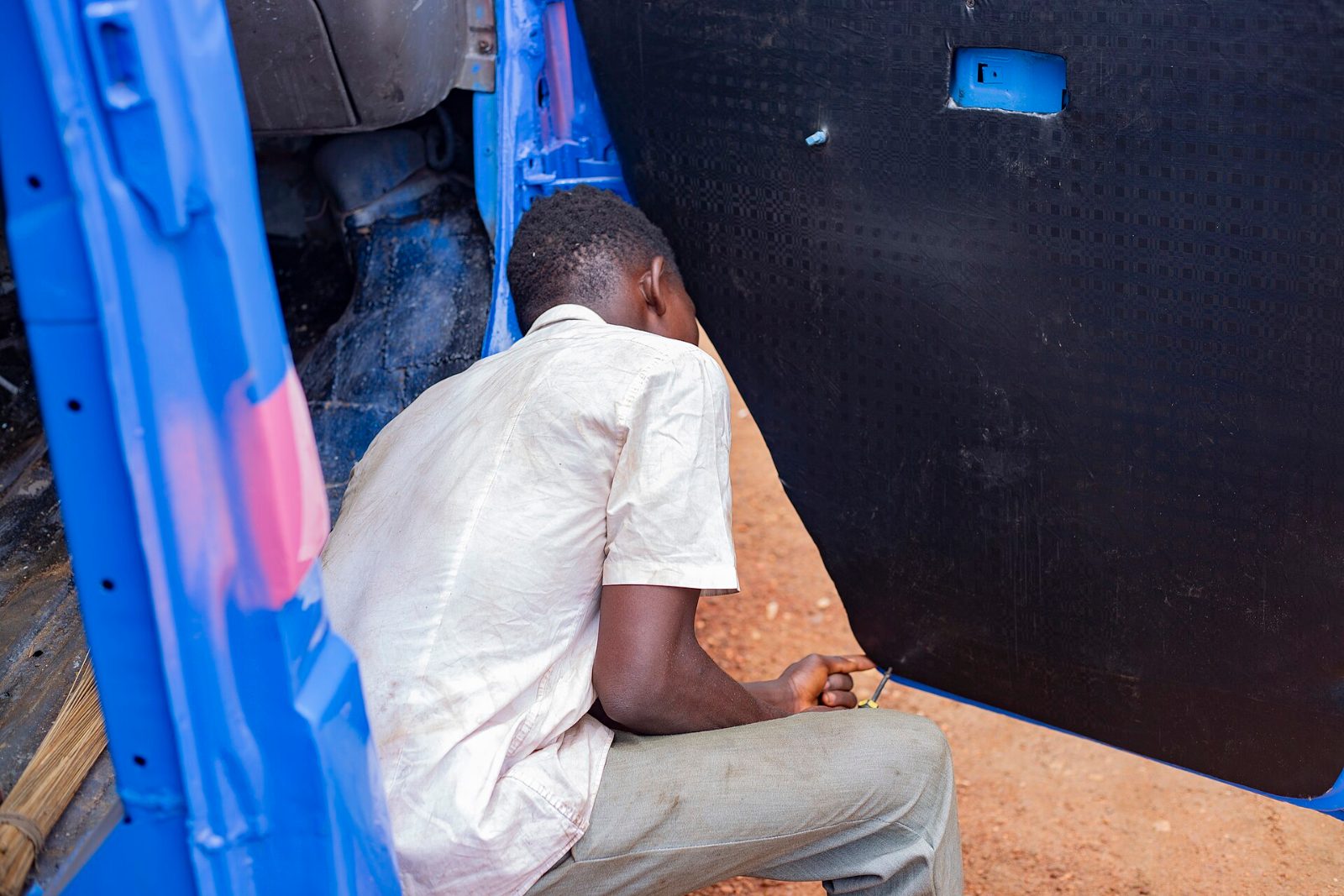
Car wrap removal involves warming the vinyl so the adhesive softens, then peeling the film back slowly at a low angle so it releases from the paint, and finally cleaning off any adhesive residue. On a wrap that is in good condition and within its expected life, removal on factory paint is usually clean. On an old, sun-baked wrap or a car with repainted panels, it takes much longer and carries more risk, which is why many owners in the UAE leave it to a professional.
Why removal timing matters
Every wrap film has an expected lifespan, and in hot, sunny climates that lifespan is shorter. As the film ages, two things happen. The vinyl becomes more brittle, so it tears into small pieces instead of coming off in large sheets. And the adhesive can harden and bond more firmly, leaving residue behind. A wrap removed on time can come off in an afternoon; an overdue one can take days.
Signs it is time to remove a wrap
- Cracking or crazing on the bonnet, roof or boot
- Edges lifting or shrinking back from panel gaps
- Faded or chalky colour on horizontal panels
- Bubbles or wrinkles appearing in previously smooth areas
If you see these signs, plan removal soon rather than waiting for the film to deteriorate further.
How professionals remove a wrap
1. Inspection
The installer checks the film’s condition, notes any panels that were repainted and looks for existing paint damage. This helps set expectations before work starts.
2. Controlled heat
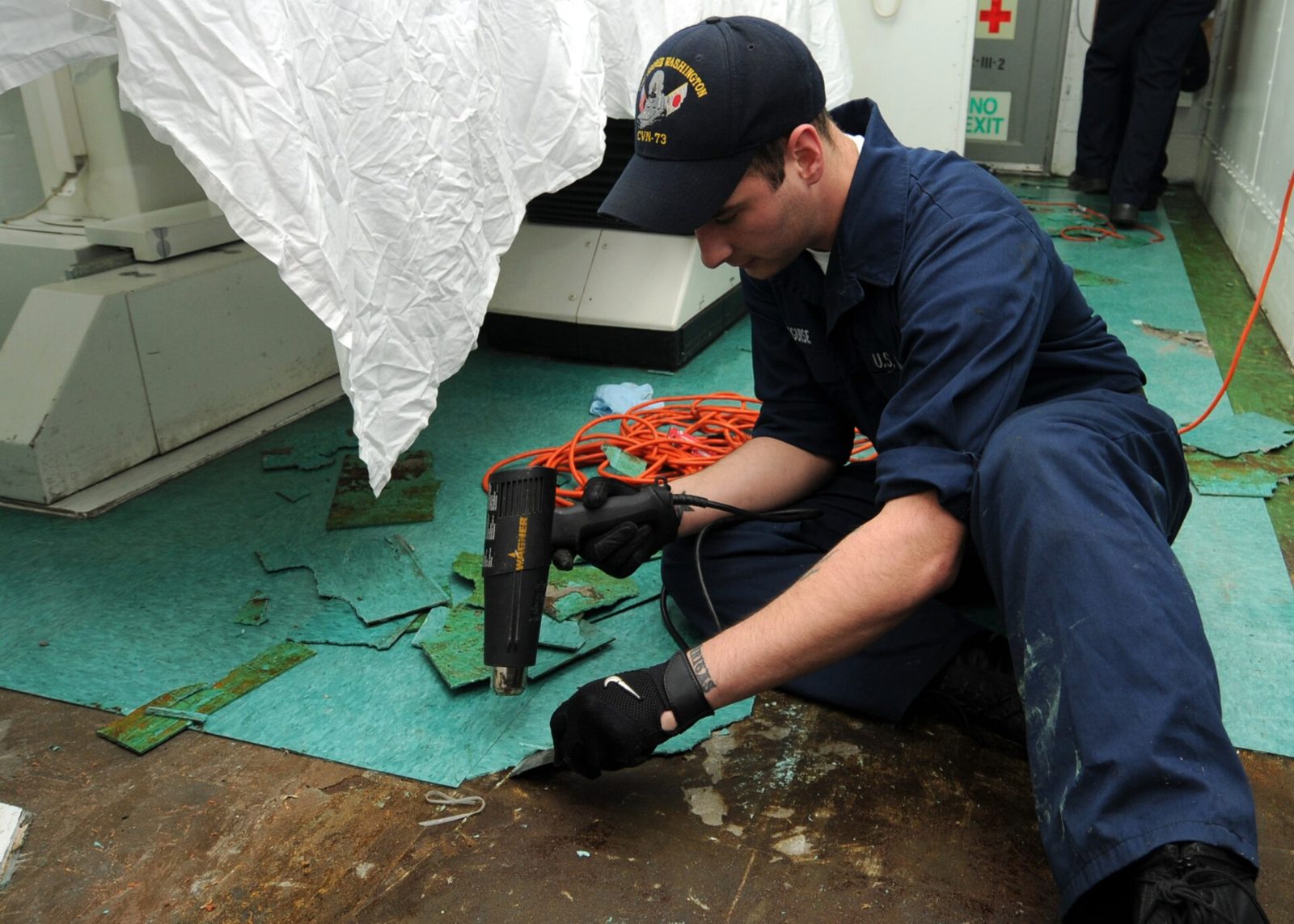
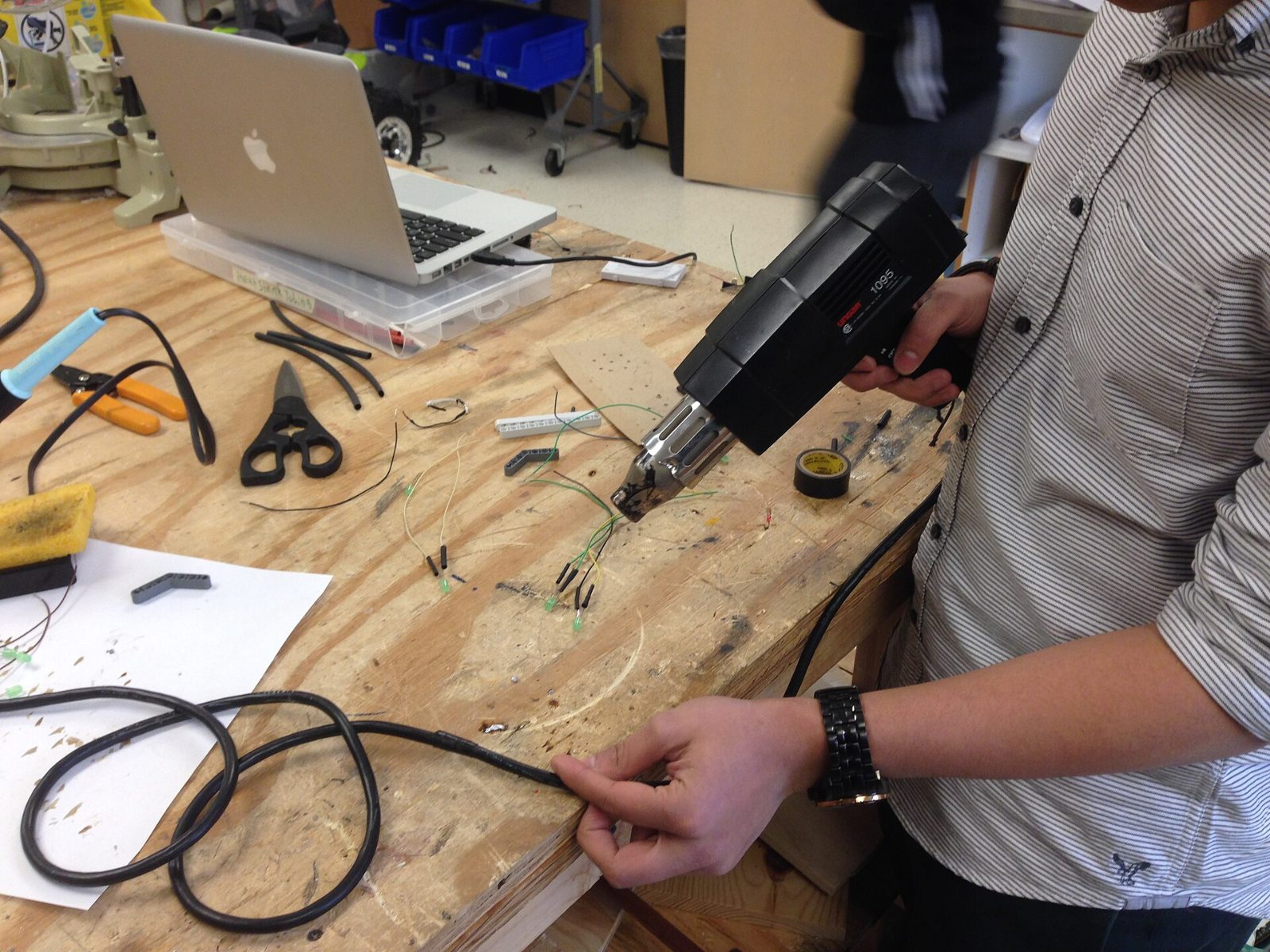
A heat gun or steamer warms a section of film. The aim is to soften the adhesive without overheating the paint or nearby plastic trim. Many installers use a temperature reader to stay within a safe range.
3. Low-angle peel
The film is pulled back slowly, folding it back on itself at a low angle close to the panel. This puts the force into releasing the adhesive rather than lifting the paint. Pulling straight up or too quickly increases the risk of tearing film or lifting clear coat.
4. Adhesive residue removal
Any glue left behind is removed with adhesive removers that are safe for automotive paint, plastic tools and microfibre cloths. This can be the slowest part of the job on old wraps.
5. Wash and inspection
Finally, the car is washed and the paint inspected. Sometimes a light polish is recommended to even out the finish, especially if the uncovered areas around door handles or panel edges have aged differently from the paint under the film.
DIY or professional?
| Factor | DIY | Professional |
|---|---|---|
| Fresh wrap in good condition | Possible with patience | Fast and low risk |
| Old, cracked, sun-baked wrap | Very slow, high frustration | Experienced with difficult films |
| Repainted panels | Risk of lifting paint | Can assess and reduce risk |
| Tools | Heat gun, plastic scrapers, adhesive remover | Professional tools and products |
| Time | Often a full weekend or more | Typically shorter |
If you try it yourself, work in shade, use moderate heat, keep the heat gun moving and never use metal blades on paint.
The UAE factor: heat helps and hurts
Warm ambient temperatures make the adhesive easier to soften, which can speed up removal. But years of strong sun also bake the film, making it more brittle. Horizontal panels, such as the bonnet, roof and boot, are almost always the hardest parts to strip. Doors and vertical panels often come off more easily.
The best way to make wrap removal easy is to remove the wrap before it fails.
What can go wrong
Risks to know about
- Paint lifting: most common on panels that were repainted, especially if the refinish was not properly cured or prepared
- Clear coat damage: possible on older cars with weak or failing clear coat
- Ghosting: a faint outline where the film edge was, because exposed paint aged differently
- Trim damage: overheating plastic or rubber parts
- Residue: stubborn adhesive left on large areas
Most of these are manageable with an experienced installer, but none can be ruled out completely. Ask about the car’s repaint history before work starts.
After removal: what next?
Once the wrap is off, you have three common options:
- Return to the original paint. A wash, a light polish and some protection, such as a ceramic coating or sealant, can bring it back to good condition. See our guide to car paint protection.
- Re-wrap in a new colour. Installers usually want clean, decontaminated paint before applying a new wrap.
- Add PPF. If you plan to keep the factory colour, now is a good time to protect high-impact areas with paint protection film. Our PPF vs vinyl wrap article compares the two.
Updating your registration
If the wrap changed the car’s colour and that change was recorded, removing it means the car’s colour changes again. In the UAE, the vehicle record should match the car, so check with the traffic authority in your emirate whether you need to update it.
Cost factors
Removal prices depend on the size of the car, the condition of the film, how much adhesive remains and whether paint correction is needed afterwards. A fresh wrap on a small car is at the low end; a large SUV with a cracked, baked wrap and heavy residue sits at the top. Ask for a quote after an inspection rather than over the phone.
Frequently asked questions
Will removing a wrap damage my paint?
On factory paint in good condition, with a wrap removed within its expected life, damage is uncommon. Risk rises with repainted panels, very old film and weak clear coat.
How long does wrap removal take?
A fresh wrap on a small car can take a few hours. Old, brittle wraps can take a day or more, mostly due to adhesive clean-up.
Can I use a hair dryer instead of a heat gun?
A hair dryer gives gentler heat and can work on fresh wraps, but it is slow on older film.
What removes leftover wrap adhesive?
Adhesive removers designed for automotive paint, used with plastic tools and microfibre cloths. Avoid harsh solvents not approved for paint.
Sources: 3M, Avery Dennison, RTA Dubai
Cover photo: Amuzujoe, CC BY-SA 4.0. Last reviewed: 2026-11-25.