Satin Black Car Paint: Sheen, Upkeep and Smarter Alternatives
Satin black is a low-sheen black that sits between gloss and flat matte: it has a soft, velvety glow instead of mirror reflections. It looks modern and aggressive, but the paint cannot be polished, needs matte-safe products, and is hard to repair, so many UAE owners get the look with a satin wrap or matte PPF instead of paint.
In this guide
- What “satin” means in paint terms
- Gloss, satin and matte compared
- Factory satin paint versus a respray
- Caring for satin black paint
- How satin black copes with UAE conditions
- Who satin black suits, and who it does not
- Repairs: the biggest drawback
- The alternatives: satin wrap and matte PPF
- Frequently asked questions
What “satin” means in paint terms
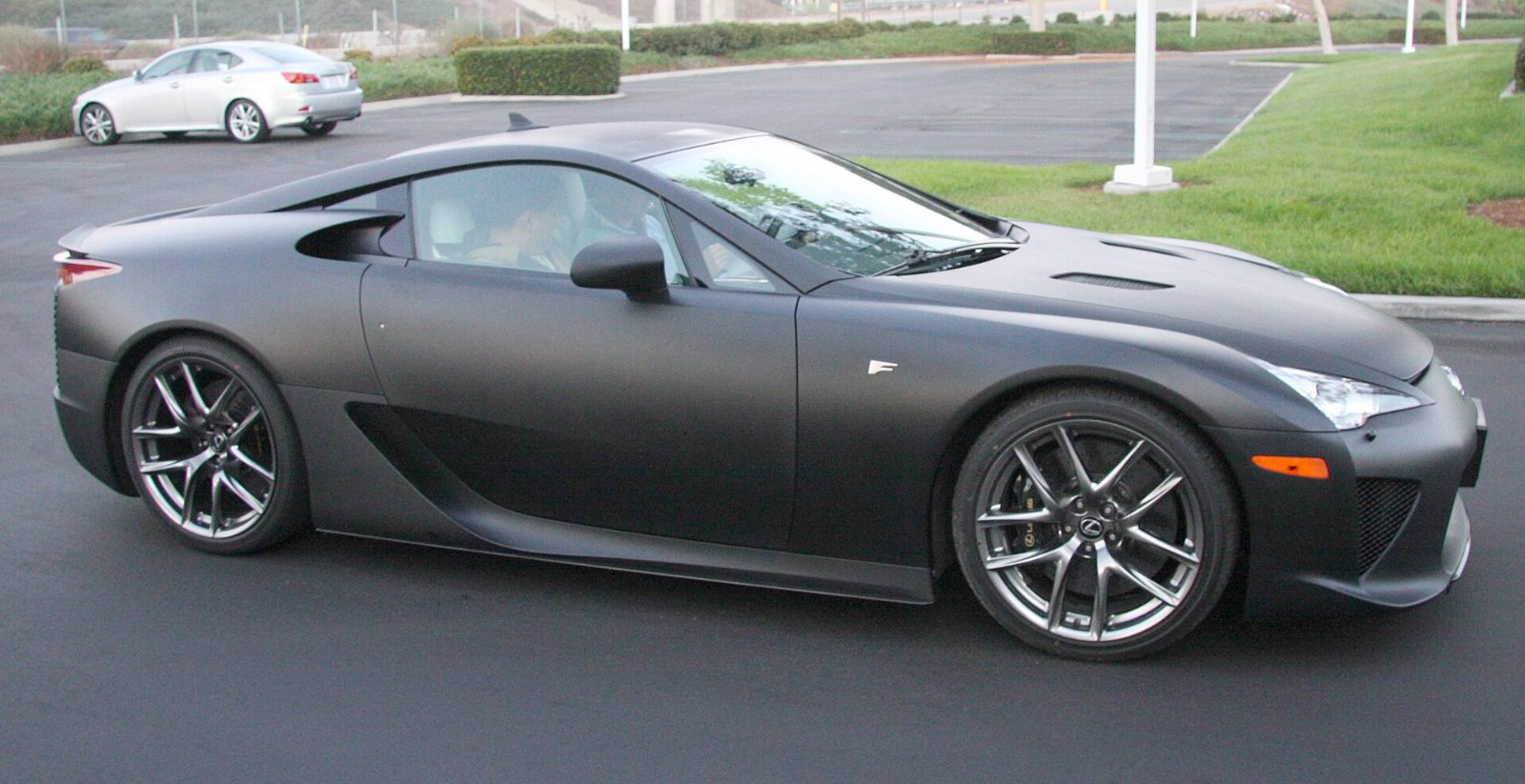
Gloss level is about how much light a surface reflects directly, like a mirror, versus how much it scatters. Gloss paint has a very smooth clear coat, so you see sharp reflections. Matte paint has a clear coat with a micro-texture that scatters almost all reflected light, so it looks flat. Satin sits in between: reflections are soft and blurred, and body lines show as gentle highlights rather than hard lines.
That texture is built into the clear coat. It is what gives the finish its character, and it is also why ordinary paint care does not work. Polishing, waxing or even rubbing hard in one spot smooths the texture and creates a shiny patch that cannot easily be reversed.
Gloss, satin and matte compared
| Finish | Reflections | Look | Hides | Shows | Care |
|---|---|---|---|---|---|
| Gloss black | Sharp, mirror-like | Classic, deep | Nothing much | Swirls, scratches, dust | Can be polished and waxed |
| Satin black | Soft, blurred | Velvety, modern | Fine swirls | Grease marks, shiny patches | No polish or wax; matte-safe products |
| Matte black | Almost none | Flat, stealthy | Fine swirls | Fingerprints, oil, stains | No polish or wax; most sensitive |
Satin is often seen as the easier of the two low-sheen finishes to live with, because it is slightly less prone to showing grease marks and fingerprints than a true flat matte. Our article on matte black car paint covers the flattest end of the scale.
Factory satin paint versus a respray
Some manufacturers offer satin or matte finishes as an option on certain models, often at a significant premium. These finishes are developed and tested by the factory, and the owner’s manual usually lists specific care instructions. Follow those to the letter, because using the wrong products can affect the warranty on the paint.
An aftermarket satin black respray is a different matter. Quality depends heavily on the shop and the products. Ask which satin clear coat system they use, whether it is designed for automotive exterior use and UV exposure, and how they handle door shuts and edges.
Colour change paperwork
Changing a car’s colour to satin black with paint is normally a colour change that should be recorded with the licensing authority. Check the current requirements with the RTA in Dubai or your emirate’s authority before you start.
Caring for satin black paint
The rules are simple, but they must be followed every time.
- Rinse first. Remove sand and dust with water before anything touches the surface.
- Use a matte-safe shampoo. It should contain no wax, gloss enhancers or fillers.
- Wash gently with a soft mitt. Straight lines, light pressure, no scrubbing in circles.
- Dry by blotting or with a blower. Dragging a towel with pressure can burnish the finish.
- Never polish, wax or use compound. Not even to remove a small mark.
- Use matte or satin-specific sealants or coatings if you want extra protection.
- Clean bird droppings and sap immediately. You cannot polish out an etched mark later.
Brush car washes are best avoided. Some touchless washes apply hot wax or gloss sprays as part of the programme, which can leave uneven shine, so choose a programme without wax or ask the operator.
How satin black copes with UAE conditions
Heat. Like any black, satin black absorbs a lot of solar energy. The roof and bonnet get very hot in summer, and the cabin warms quickly. Good tint makes a real difference; compare options with our window tint VLT calculator.
Dust. Fine dust shows readily on any black. On satin, wiping dust off dry can create faint shiny streaks, so rinse first.
Hard water. Mineral spots are harder to remove from satin than from gloss because you cannot polish them out. Dry the car quickly after washing and avoid parking next to sprinklers.
UV. Satin clear coats are designed to be UV-resistant, but horizontal panels will age faster than vertical ones over years of outdoor parking.
Who satin black suits, and who it does not
Satin black is a good fit if the car is garaged or parked under cover most of the time, if you enjoy washing it yourself, and if you like a finish that looks custom without loud colour. It is a weaker fit if the car lives outdoors next to sprinklers, if it is washed by different people or at brush washes, or if it is a family car that gets leaned on, loaded and unloaded every day. Handprints, sunscreen and greasy fingers show more on low-sheen finishes than on gloss.
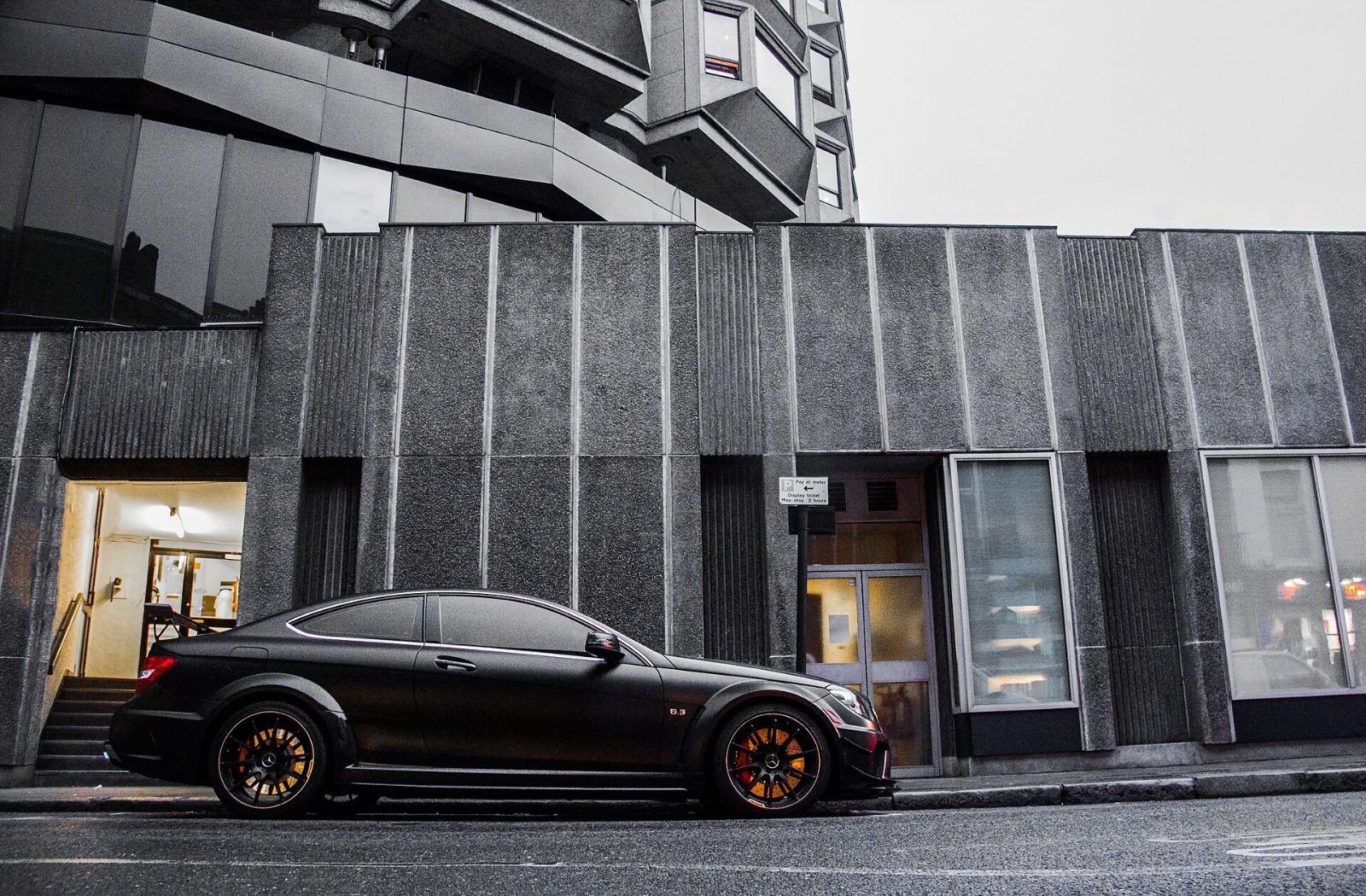
Think also about trim and wheels. Satin black looks sharpest with contrasting details, such as bronze or silver wheels, or coloured brake calipers. All-black everything can make the car look shapeless from a distance, especially at night.
Repairs: the biggest drawback
On gloss paint, a scratch can often be polished out or blended into neighbouring panels. On satin, that is usually not possible. Spot repairs tend to look different in sheen from the rest of the panel, so body shops often repaint the whole panel. Getting a perfect sheen match with the factory finish also takes skill, and the result can still look slightly different in certain light.
Before choosing satin paint, ask a body shop how they would repair a scratched door or bumper and what that typically involves. The answer is often what persuades owners to look at film instead.
The alternatives: satin wrap and matte PPF
Satin black wrap. Vinyl films from major brands offer satin black that looks very close to paint. It protects the original colour underneath, can be removed later, and a damaged panel can be re-wrapped rather than repainted. Our guide to satin black car wraps covers film choice and installation.
Matte or satin PPF on black paint. If your car is already gloss black, a matte or satin clear protection film turns it satin while adding stone-chip protection. Remove the film later and the gloss returns.
Our wrap vs PPF vs ceramic coating comparison shows how these approaches compare on durability and reversibility.
Satin black looks effortless, but it is one of the least forgiving finishes to repair. Choose film if you want the look with an exit route.
Frequently asked questions
Is satin black paint the same as matte?
No. Satin has a soft sheen with blurred reflections; matte is flatter with almost no reflections. Both need similar care.
Can I polish satin black paint?
No. Polishing smooths the textured clear coat and creates shiny patches. Use only matte-safe products.
Can I take a satin black car through an automatic wash?
It is best avoided. Brushes can mark the finish, and wax or gloss programmes can leave uneven shine.
Is a satin wrap cheaper than satin paint?
Usually, yes, and it is reversible. A quality respray is generally more expensive and more difficult to repair.
Sources: 3M Automotive, Avery Dennison Graphics, Roads and Transport Authority (RTA)
Cover photo: Ben from LONDON, United Kingdom, CC BY-SA 2.0. Last reviewed: 2026-11-26.