Pearl White Car Paint: Tri-Coat Layers, Repairs and Care
Pearl white is usually a tri-coat paint: a white base coat, a translucent pearl mid-coat and a clear coat on top. That layering gives the soft glow and colour shift owners love, but it also makes pearl white one of the hardest colours for body shops to match. In the UAE it is a practical colour for heat and dust, as long as repairs are done by a shop that knows tri-coat work.
How pearl white paint is built
| Layer | What it is | Why it matters |
|---|---|---|
| Primer | Adhesion and corrosion layer | Must be smooth; flaws show through white |
| White base coat | Opaque solid white | Sets the base tone, warm or cool |
| Pearl mid-coat | Translucent layer with pearl or mica particles | Creates the glow and colour shift; thickness changes the shade |
| Clear coat | Gloss and UV protection | Protects the pearl layer |
The pearl mid-coat is the tricky part. It is semi-transparent, so the colour you see depends on how many passes the painter applies. One extra pass makes the panel look warmer or more yellow; one fewer makes it look whiter. At the factory, robots apply it consistently. In a body shop, the painter has to recreate that by hand.
Some manufacturers use two-stage pearl whites, where the pearl is mixed into the base coat. These are easier to repair, but most premium pearl whites are three-stage.
Why pearl white is popular in the Gulf
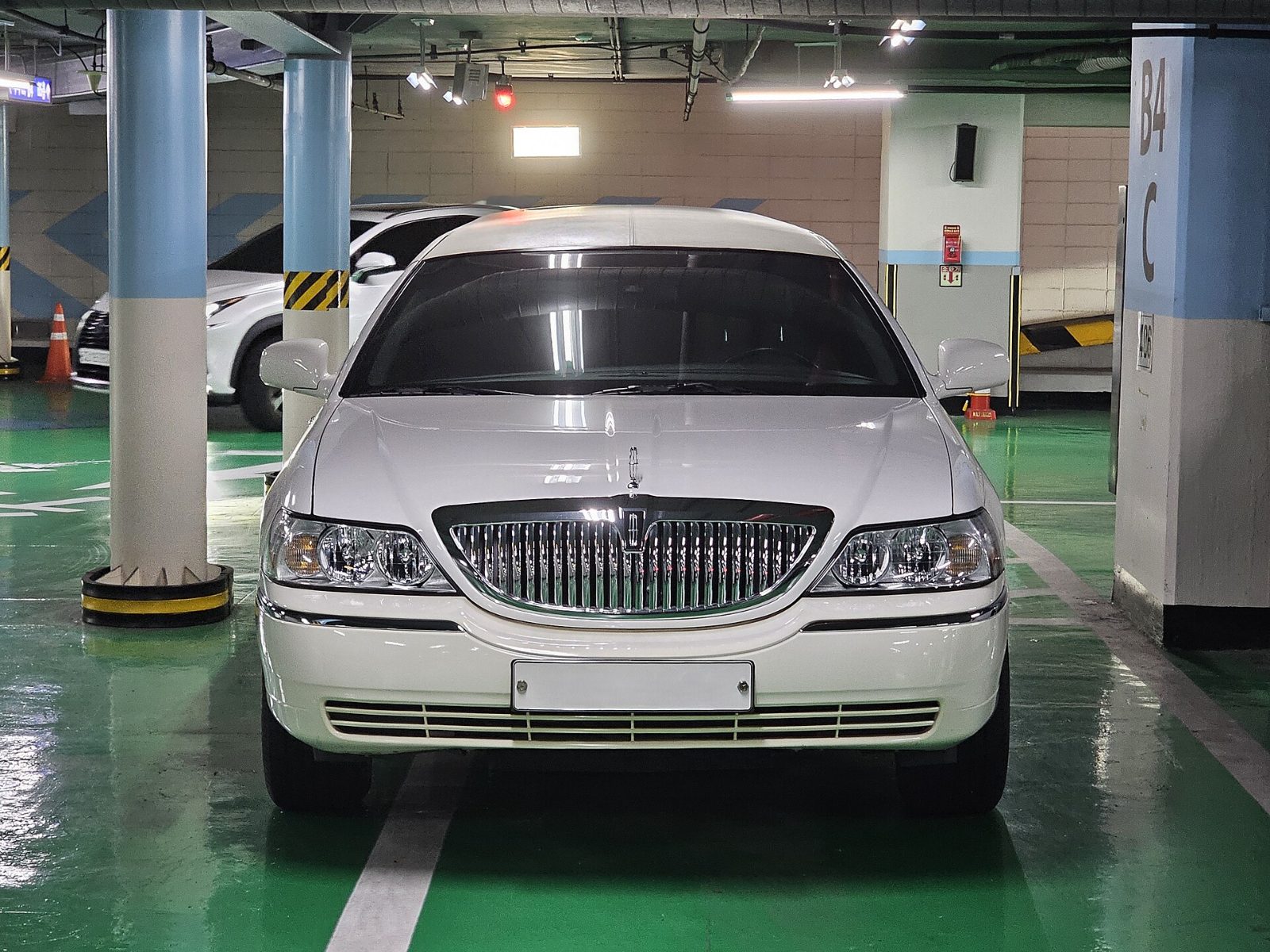
Heat. White reflects more sunlight than any other colour, so panels and cabin stay cooler than dark colours.
Dust. Light beige dust is hard to see on white. Pearl white looks clean for longer between washes.
Swirls. Fine wash marks are much less visible than on dark colours.
Premium look. Pearl white looks richer than flat white, especially in morning and evening light, which is why it is often a premium option on luxury cars and SUVs.
Resale. White is one of the most popular car colours in the region, which helps when selling.
Why repairs are hard
- Mid-coat thickness. The painter must match the number of pearl passes. Test panels, called let-down panels, are sprayed with one, two, three and more coats to find the match.
- Factory variants. One paint code can have slightly different variants. A good shop checks which variant your car has.
- Blending. To hide small differences, the pearl layer is usually blended into neighbouring panels. A bumper repair may mean painting into the wings.
- Plastic versus metal. Bumpers and mirror caps are often painted separately at the factory and can look slightly different from metal panels even when new. A good painter matches the car as it is, not just the code.
- Lighting. Pearl white can look perfect in the booth and different in sunlight. Repairs should be checked outdoors.
Ask before you agree a repair
Ask the body shop whether they will spray let-down panels to match the mid-coat, which panels they plan to blend into, and whether they will check the result outdoors. A cheaper quote that skips these steps often leads to a visible mismatch.
Finding your paint code
The paint code is on the vehicle information label, usually in the driver’s door jamb, under the bonnet or in the boot. Pearl whites often have codes that look similar across brands, but they are not interchangeable. Our car paint code finder shows where to look by manufacturer.
Touch-ups on pearl white
Stone chips are common on the front of cars driven on UAE highways. For a pearl white car, a touch-up kit usually includes three bottles or pens: base white, pearl coat and clear.
- Clean the chip with panel wipe or isopropyl alcohol.
- Apply thin layers of base white until the chip is filled close to the surface.
- Add a thin layer of pearl coat.
- Finish with clear coat once the pearl is dry.
From a normal distance, a careful touch-up makes a chip much less visible and protects the metal. It will not be invisible close up, because the pearl cannot be laid down by brush the way it is sprayed.
Protecting pearl white paint
PPF. Clear PPF on the bonnet, bumper, wings and mirrors prevents stone chips and the difficult repairs that follow. On white paint, choose a film with good resistance to yellowing.
Ceramic coating. Makes dust and stains easier to wash off and adds gloss. Useful on white, where tar spots and red dust stains show.
Shade parking. Slows clear coat ageing on the roof and bonnet.
For a side-by-side look at protection options, see our wrap vs PPF vs ceramic coating comparison.
On pearl white, prevention is far cheaper than repair. Protect the front of the car before the first chip, not after.
Washing and stain removal
- Rinse thoroughly to remove sand before contact washing.
- Use a pH-neutral shampoo and the two-bucket method.
- Use a dedicated tar remover for black tar spots on lower panels.
- Use an iron fallout remover occasionally if you see tiny orange spots, which are common near brakes and on light-coloured cars.
- Dry fully to avoid water spots.
Checking a used pearl white car
Pearl white makes previous repairs easier to spot, if you know what to look for. When inspecting a used car:
- Look in daylight, not at night or under showroom lights. Pearl differences show best in natural light.
- Compare neighbouring panels at an angle. A repainted door or bumper often looks slightly whiter, creamier or flatter than the panel next to it.
- Check the bumpers against the body. Some difference can be factory, but a strong mismatch suggests a repaint.
- Look for overspray on rubber seals, badges and window trim.
- Use a paint thickness gauge if you have access to one; repainted panels usually read thicker.
- Inspect the roof and bonnet for haze or peeling clear coat, which means an expensive repaint on a tri-coat colour.
A well-repaired panel is not a reason to walk away, but it is worth knowing about and reflecting in the price.
Pearl white paint or wrap?
If your car is another colour and you want pearl white, a wrap is usually more practical than a tri-coat respray. Pearl white films come close to the look, protect the factory paint and can be removed later. See our guide to pearl white car wraps for film choices and edge care. A full colour change by paint or wrap may need to be recorded with the RTA in Dubai or your emirate’s licensing authority.
Frequently asked questions
Why is pearl white more expensive to repair?
It is usually a tri-coat paint, so the painter must match the pearl layer thickness and often blend into neighbouring panels.
Can I touch up pearl white paint myself?
Yes, for small chips, using base, pearl and clear in order. It reduces visibility and protects the metal, but will not be invisible up close.
Does pearl white turn yellow?
Factory paint with a healthy clear coat is stable. Yellowing usually comes from ageing clear coat, low-quality PPF or poorly matched repairs.
Is pearl white a good colour for Dubai?
Yes. It stays cool, hides dust and is popular with buyers, though repairs need a skilled shop.
Last reviewed: 2026-11-26.