Single-Stage Car Paint: How It Differs From Basecoat and Clearcoat
Single-stage car paint is a finish where colour and gloss come from one layer: the pigment and the resin that gives shine are mixed together and sprayed as a single coat, with no separate clear coat on top. Most modern cars use a two-stage system instead, a coloured basecoat followed by a clear coat. Single-stage paint is still used on classic restorations, commercial vehicles and budget resprays, and it behaves differently when it comes to polishing, UV resistance and repairs.
How car paint systems work
Before the topcoat, every car body gets layers of corrosion protection and primer. What happens next defines the paint system.
| System | Layers on top of primer | Where you see it |
|---|---|---|
| Single-stage | One layer of colour plus gloss | Classic cars, fleet and commercial vehicles, some budget resprays |
| Two-stage (basecoat and clearcoat) | Colour basecoat, then clear coat | Almost all modern production cars |
| Three-stage (tri-coat) | Base, mid-coat (often pearl), clear coat | Some pearl whites and special colours |
The industry moved towards basecoat and clearcoat for several reasons: better resistance to UV and chemicals, deeper gloss, and the ability to create metallic and pearl effects that need a clear layer to protect the flakes.
What single-stage paint looks like
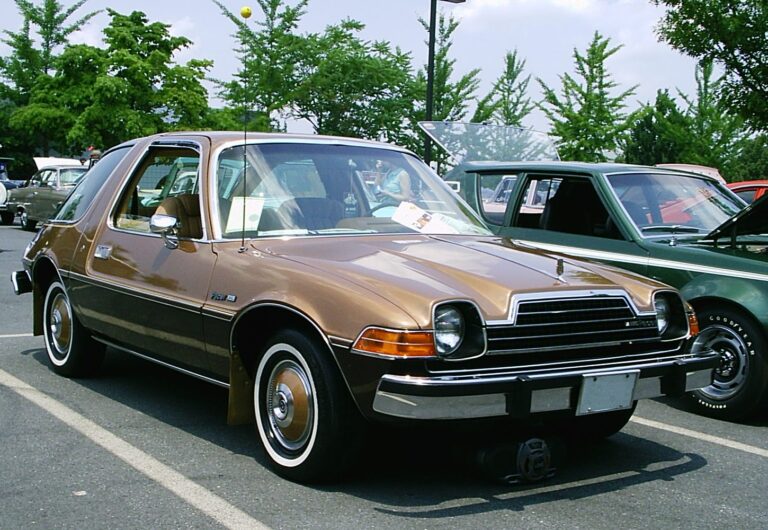
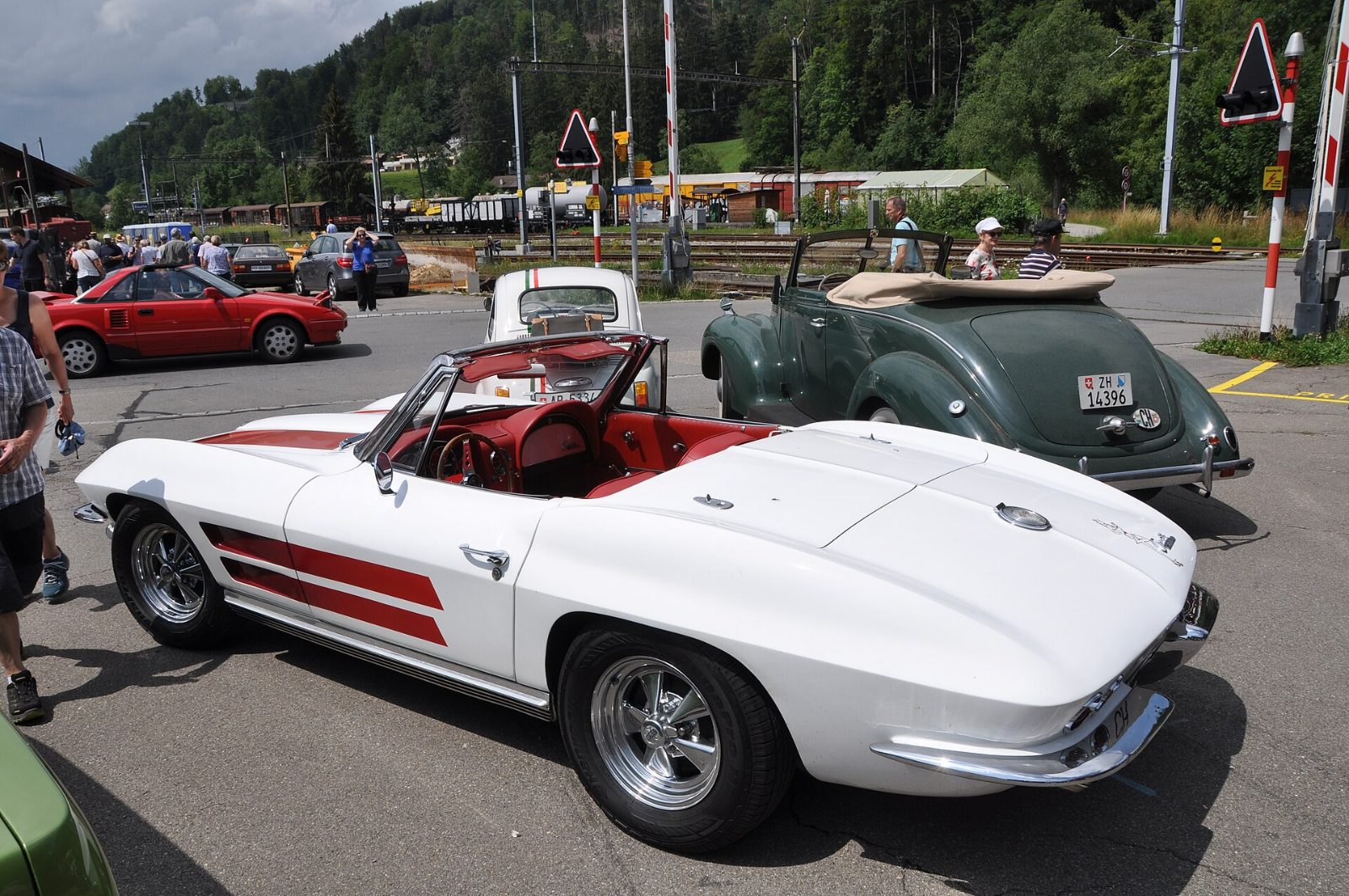
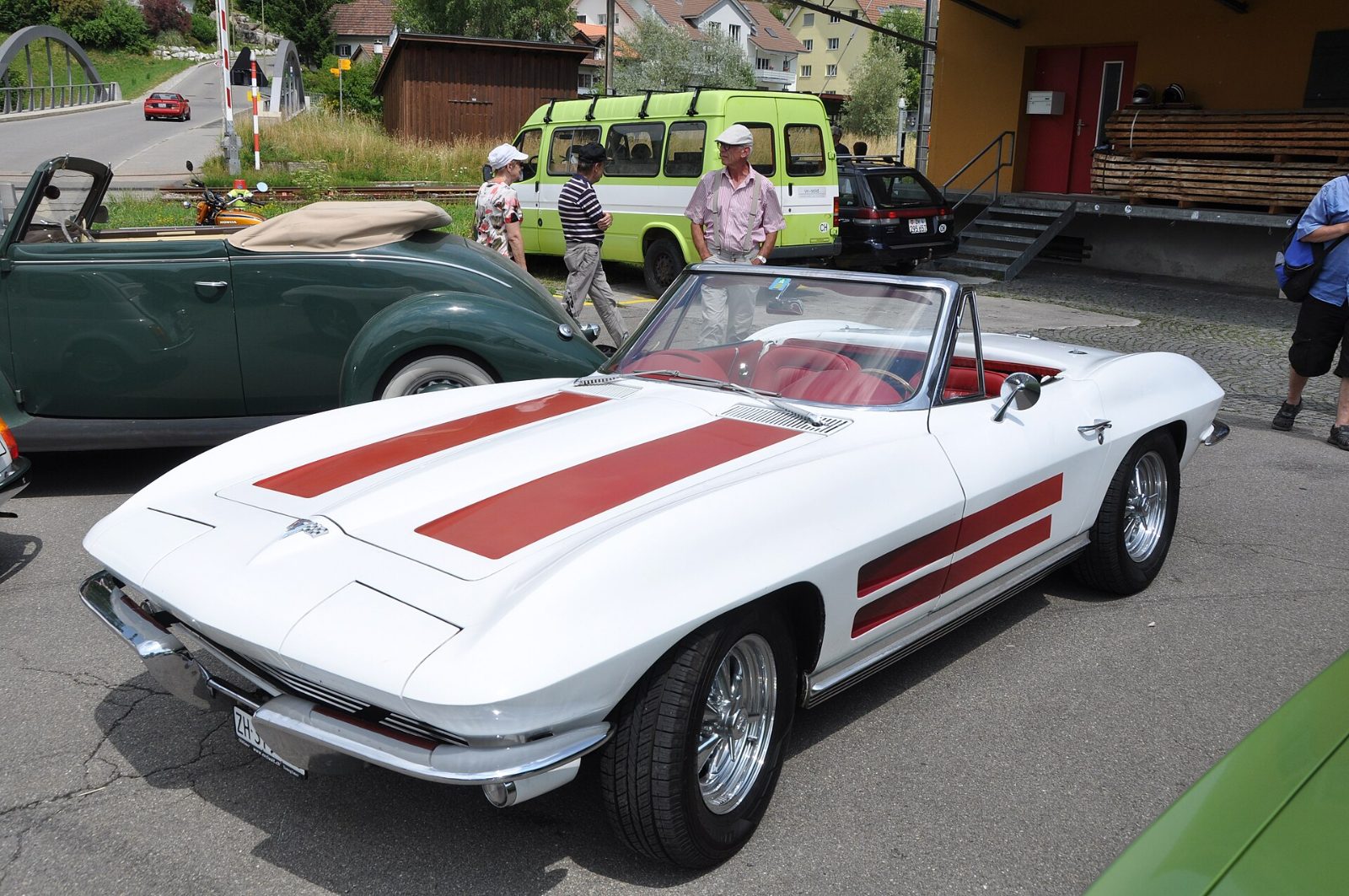
Solid colours, such as plain red, white, black or green, are the classic single-stage colours. They tend to have a rich, slightly softer gloss than a hard clear coat. Metallic single-stage paints exist, but they are less common because the metal flakes sit at the surface and can dull or oxidise.
A simple test helps identify single-stage paint on an older car: when you polish it with a clean white pad or cloth, the colour comes off on the cloth. On basecoat and clearcoat, the cloth usually stays mostly clean, because you are only polishing the clear layer.
Pros and cons
Single-stage in brief
- Pros: simpler and often cheaper to spray, authentic look for older vehicles, easier spot repairs on solid colours, can be polished back from mild oxidation
- Cons: less UV resistance than clear coat, oxidises and fades faster in strong sun, softer surface scratches more easily, fewer special effect options
Single-stage paint in UAE sun
This is where the system’s weaknesses show. Without a clear coat, the pigmented layer faces UV radiation directly. Over time, especially on horizontal panels like bonnets and roofs, single-stage paint can oxidise, turning chalky and dull. Reds are famously vulnerable to fading towards pink or orange.
Owners of single-stage cars in the UAE can slow this down:
- Park in shade or a garage whenever possible
- Use a breathable car cover for outdoor parking
- Wash gently and often to remove dust and contaminants
- Apply a quality wax or sealant regularly, or consider a ceramic coating
- Polish lightly when oxidation appears, rather than letting it build up
Single-stage paint can look wonderful, but in strong sun it needs more attention than a modern clear-coated finish.
Polishing and correction
Because single-stage paint has no separate clear layer, polishing removes some of the actual colour. That is why the pad picks up pigment. It also means the total thickness of colour determines how much correction is possible. Careful machine polishing can restore gloss to oxidised single-stage paint, but each round removes material, so a light touch is best.
Know your paint before polishing
On older cars, ask the detailer to measure paint thickness before heavy correction. Aggressive polishing on thin single-stage paint can cut through to primer, especially on edges and body lines.
Protection options
Single-stage paint benefits from any protection that adds a barrier against UV and contamination:
| Protection | Benefit for single-stage paint |
|---|---|
| Wax | Adds gloss, easy to apply, needs frequent reapplication in heat |
| Synthetic sealant | Longer lasting than wax |
| Ceramic coating | Hard, chemical-resistant layer with UV inhibitors; must be applied after careful prep |
| Paint protection film | Physical barrier against chips and abrasion; check compatibility with the paint’s age and condition |
For a fuller overview, see our guide to car paint protection.
Repairs and resprays
Single-stage solid colours can be easier to blend for small repairs, because there is no clear coat to match. Larger resprays are a choice between staying authentic with single-stage or switching to basecoat and clearcoat in the same colour for better durability. For classic cars where originality matters, owners often stay with single-stage; for daily drivers, a two-stage respray usually makes more practical sense.
Matching colours
If you need to match a colour, the paint code on the car’s identification plate is the starting point. Our car paint code finder explains where to look on different makes. A good paint shop will also do a spray-out card to check the match against the actual car, because older paint may have faded from the original formula.
Washing single-stage paint
Washing habits matter more on single-stage paint, because there is no clear layer to absorb light marring before the colour itself is affected. Rinse thoroughly first, use a pH-neutral shampoo and a soft mitt, and dry with a plush towel. Avoid strong alkaline pre-wash products or degreasers on the paintwork; they can strip wax and, over time, dull the surface. If your towel or mitt picks up a slight tint of colour after washing, that is normal for older single-stage finishes and a sign to keep pressure light.
Is single-stage making a comeback?
Not on new production cars, but it remains common on commercial fleets, agricultural and industrial equipment, and in classic car restoration. Some enthusiasts also prefer it on resto-mods for the period-correct look.

Frequently asked questions
How can I tell if my car has single-stage paint?
Polish a small, hidden area with a clean white cloth or pad. If colour comes off, it is likely single-stage. A paint shop can confirm.
Is single-stage paint cheaper?
Often, because it involves fewer steps and less material. Prices depend on the colour, the shop and the amount of preparation.
Can I put a clear coat over single-stage paint?
It is technically possible during a respray, but the layers need to be compatible and correctly applied. Discuss it with an experienced painter.
Does single-stage paint fade faster in the UAE?
Generally yes, because it lacks a clear coat for UV protection. Shade, regular protection and careful washing help.
Sources: PPG Refinish, Axalta
Cover photo: SchmalspurDVZO, CC BY-SA 4.0. Last reviewed: 2026-11-25.