Pearlescent Car Paint: How Pearl Finishes Work and How to Care for Them
Pearlescent car paint contains tiny particles, traditionally mica coated with metal oxides, that reflect and refract light, so the colour seems to glow and shift slightly depending on the angle and the light. Many pearl colours are applied as a three-stage system: a base colour, a translucent pearl mid-coat and a clear coat on top. The result is a deep, luminous finish, but it is more complex to repair and colour-match than a solid or ordinary metallic paint.
Pearl vs metallic vs solid
| Finish | What creates the effect | Look | Repair difficulty |
|---|---|---|---|
| Solid | Pigment only | Flat, uniform colour | Easiest |
| Metallic | Aluminium flakes | Sparkle, brighter highlights | Moderate |
| Pearlescent | Coated mica or synthetic pearl particles | Soft glow, subtle colour shift | Harder |
| Tri-coat pearl | Base plus pearl mid-coat plus clear | Deepest glow, strong angle effect | Hardest |
Metallic flakes act like tiny mirrors and produce sparkle. Pearl particles are semi-transparent, so light passes into them, bounces between layers and comes back slightly changed. That is why pearl colours look warmer, softer and more “liquid” than metallics.
Popular pearl colours
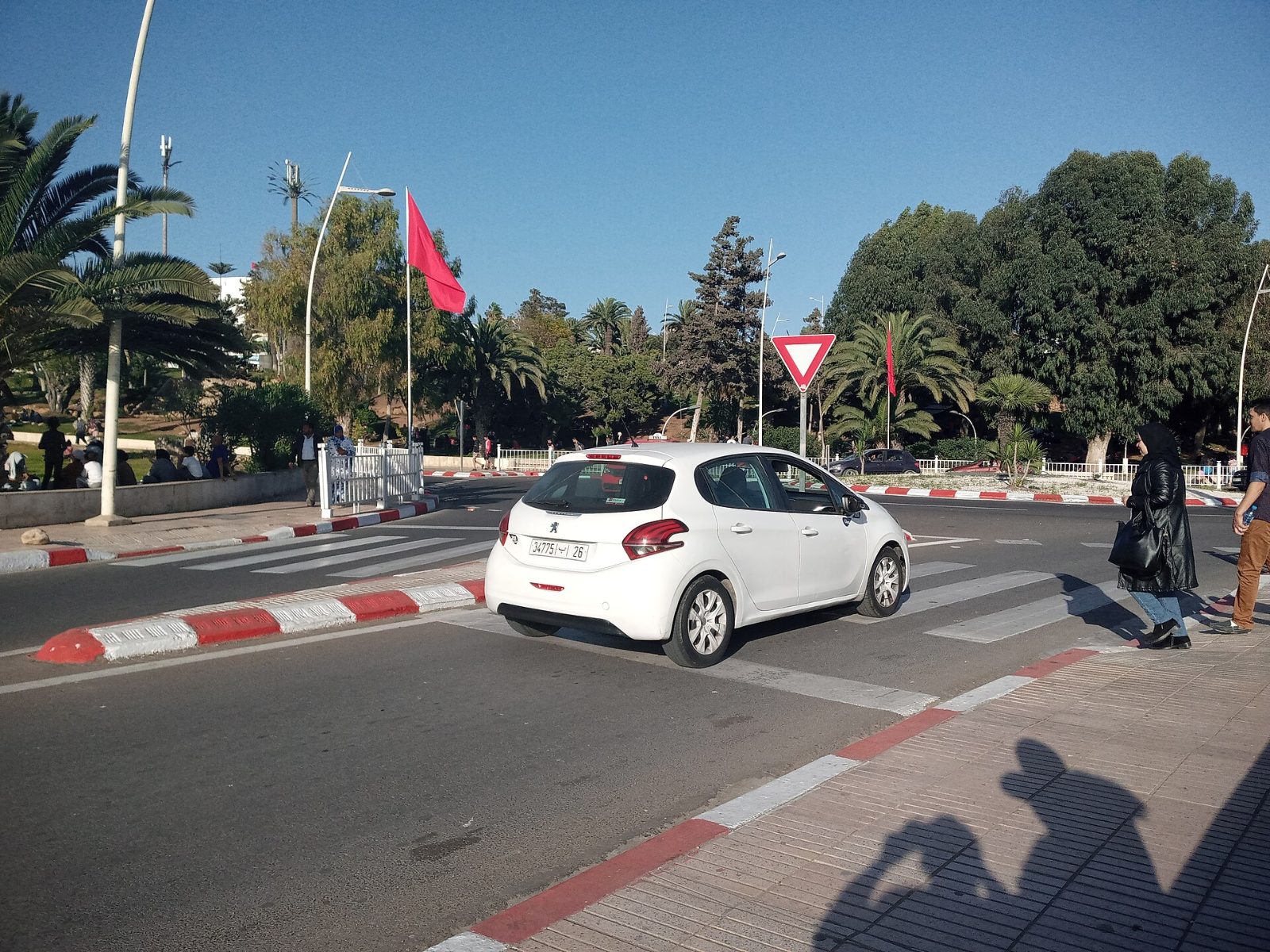
Pearl white is the most recognisable pearl finish, used across many brands and especially common in the Gulf, where white and light colours are popular for practical reasons. Other pearl colours include deep blues, reds and blacks with a pearl tint that becomes visible only in sunlight. Some manufacturers use pearl effects in greys and silvers to add depth.
For specific colour ideas, our guides to pearl white car paint and black pearl car paint go deeper into those two shades.
How a three-stage pearl is applied
- Base coat: a solid colour layer, often white or a tinted base.
- Pearl mid-coat: a translucent layer containing the pearl particles. The number of coats here strongly affects the final colour.
- Clear coat: protects the layers below and gives gloss.
Because the mid-coat is translucent, the painter has to match not only the colour but the number of passes, the spray technique and the overlap. That is the main reason pearl repairs are harder than repairs on solid colours.
Why pearl repairs are tricky
- Small differences in mid-coat thickness change the colour
- The finish looks different at different angles, so a match must work from many viewpoints
- Factory paint may have aged differently from the original formula
- Blending into neighbouring panels is often needed to make the repair invisible
Pearl paint in the UAE climate
The UAE’s intense sun brings out the best in pearl finishes, making them glow. It also tests them. The clear coat takes the brunt of UV exposure, and once it degrades, the pearl layer underneath loses depth. Light pearl colours such as pearl white tend to hide minor dust and swirls better than dark colours, which is part of their appeal in the region.
To keep a pearl finish deep:
- Park in shade or use covered parking
- Wash regularly with a pH-neutral shampoo and soft mitts
- Dry promptly to prevent hard water spots
- Protect the clear coat with a sealant, ceramic coating or paint protection film
Pearl paint is only as good as the clear coat on top of it. Protect the clear coat, and the pearl will look after itself.
Protection choices for pearl finishes
| Option | What it does for pearl paint |
|---|---|
| Sealant or wax | Adds a sacrificial layer and gloss, short-lived in heat |
| Ceramic coating | Adds chemical resistance and UV inhibitors, makes washing easier |
| Clear PPF | Blocks chips and scratches on high-impact areas, avoiding costly pearl repairs |
| Combination | PPF on the front, coating elsewhere |
Because pearl repairs can be costly to match, PPF on the bonnet, bumper and mirrors makes particular sense for pearl colours. See our wrap vs PPF vs ceramic comparison to weigh the options.
Finding your paint code
If you need touch-up paint or a repair, start with the paint code, usually printed on a label in the door jamb, under the bonnet or in the boot, depending on the make. Pearl colours often have codes that indicate a tri-coat system. Our car paint code finder explains where to look. Touch-up kits for tri-coat pearls sometimes come as two or three separate bottles, one for each stage.
Touch-ups
For tri-coat pearls, apply each stage thinly and in order: base, pearl, then clear. Practise on a test card first, because the colour changes with the number of pearl layers.
Buying a used car with pearl paint
On a used car, pearl paint can reveal its history. Walk around the car in direct sunlight and again in shade, looking along each panel from a low angle. A panel that has been repainted may look slightly whiter, yellower or flatter than its neighbours, or may change colour differently as you move. Check door edges, the bonnet and bumpers, which are the most commonly repaired areas.
A paint thickness gauge, which many inspection services and detailers carry, can confirm suspicions: refinished panels often read noticeably thicker than factory ones. Repaired panels are not necessarily a problem, but a poor pearl match will bother you every time you look at the car, and it can affect resale value.
Wrapping a pearl car
Some owners wrap their cars to protect the original pearl paint from wear, or to try a different look. Vinyl manufacturers also offer pearl-effect films. Wrapping is reversible, but removal should be done carefully on factory paint; see our guide to car wrap removal.
Frequently asked questions
Is pearlescent paint more expensive?
On new cars, pearl colours are often optional extras. Repairs can also cost more because of the extra stages and blending needed.
How do I know if my paint is pearl or metallic?
Look closely in sunlight. Metallic paint shows distinct sparkle points; pearl gives a smoother glow and slight colour shift at different angles. The paint code can confirm.
Does pearl paint fade faster?
Not inherently. Its longevity depends mostly on the clear coat. Good protection and shade help it last.
Can a body shop match pearl paint perfectly?
A skilled shop can achieve an excellent match, usually by blending into adjacent panels. Ask to see a spray-out card before painting.
Sources: PPG Refinish, Axalta, BASF Coatings
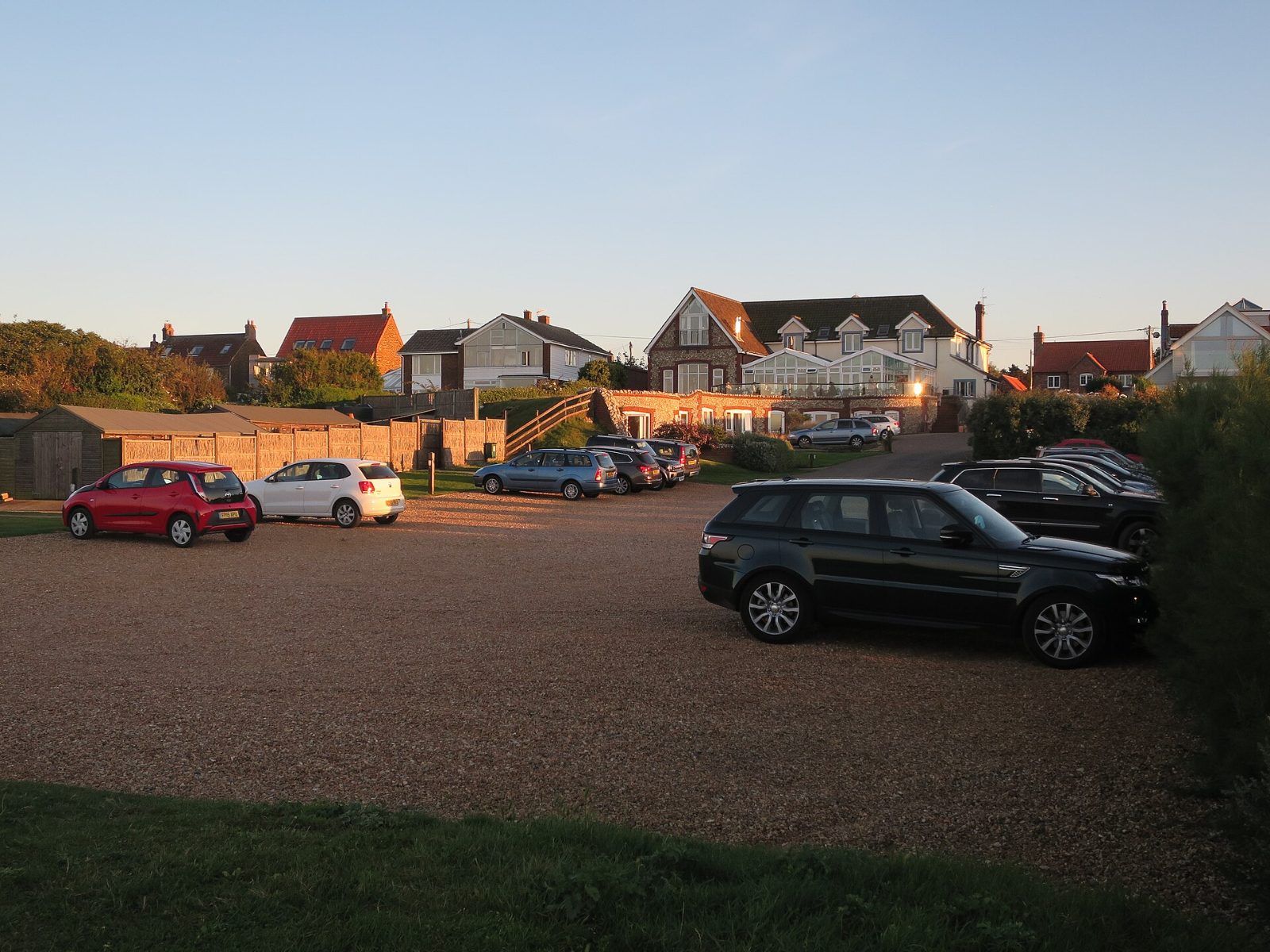
Cover photo: Hugh Venables, CC BY-SA 2.0. Last reviewed: 2026-11-25.