Two Tone Car Paint: Styles, Cost Factors and Practical Advice
Two-tone means a car finished in two clearly different colours, most often a contrast roof, a split upper and lower body, or a contrasting bonnet and pillars. You can get it from the factory, with a respray, or with vinyl wrap, and in the UAE wrapping is usually the most practical route because it is reversible and protects the original paint.
A short history of the look
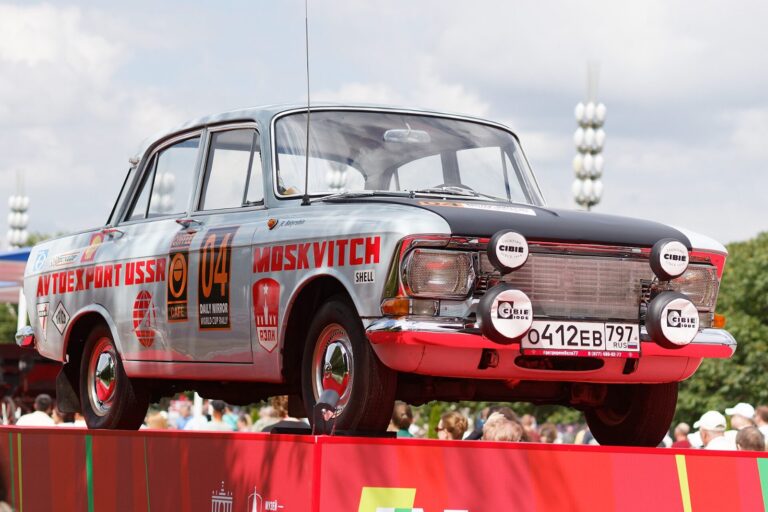
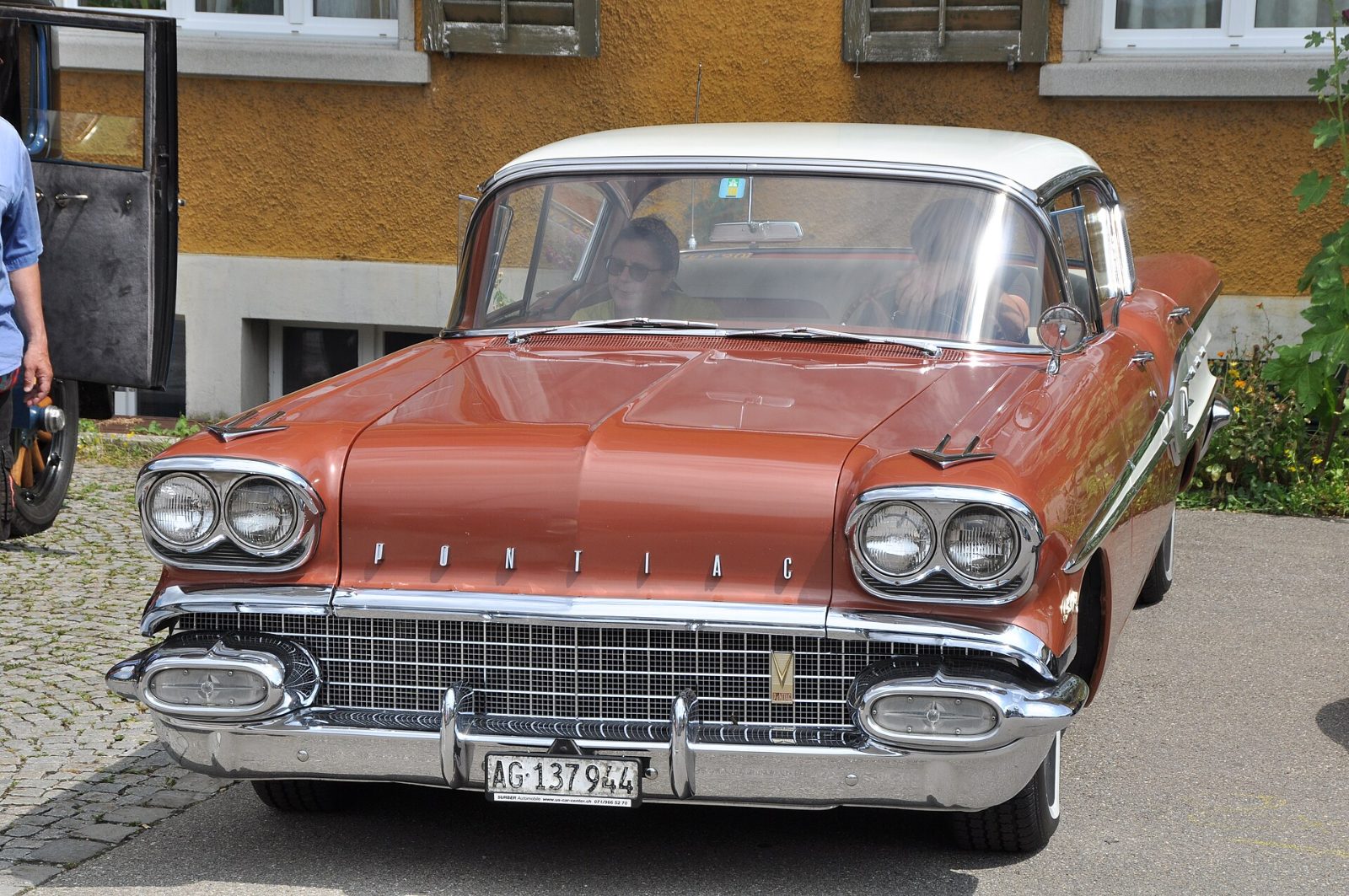
Two-tone paint is not new. American cars of the 1950s often had contrasting roofs and side spears, and luxury brands used split colours to emphasise length and elegance. The look faded for decades, then returned with small hatchbacks and SUVs offering contrast roofs as a personalisation option. Today you see it on everything from compact crossovers to ultra-luxury saloons, where a split colour line along the waist can be a signature of the brand.
The appeal is simple: two tones break up a large body, make a roof look lower, and give a car a custom feel without being as loud as a full graphic wrap.
The common two-tone styles
| Style | Where the split is | Effect | Best suited to |
|---|---|---|---|
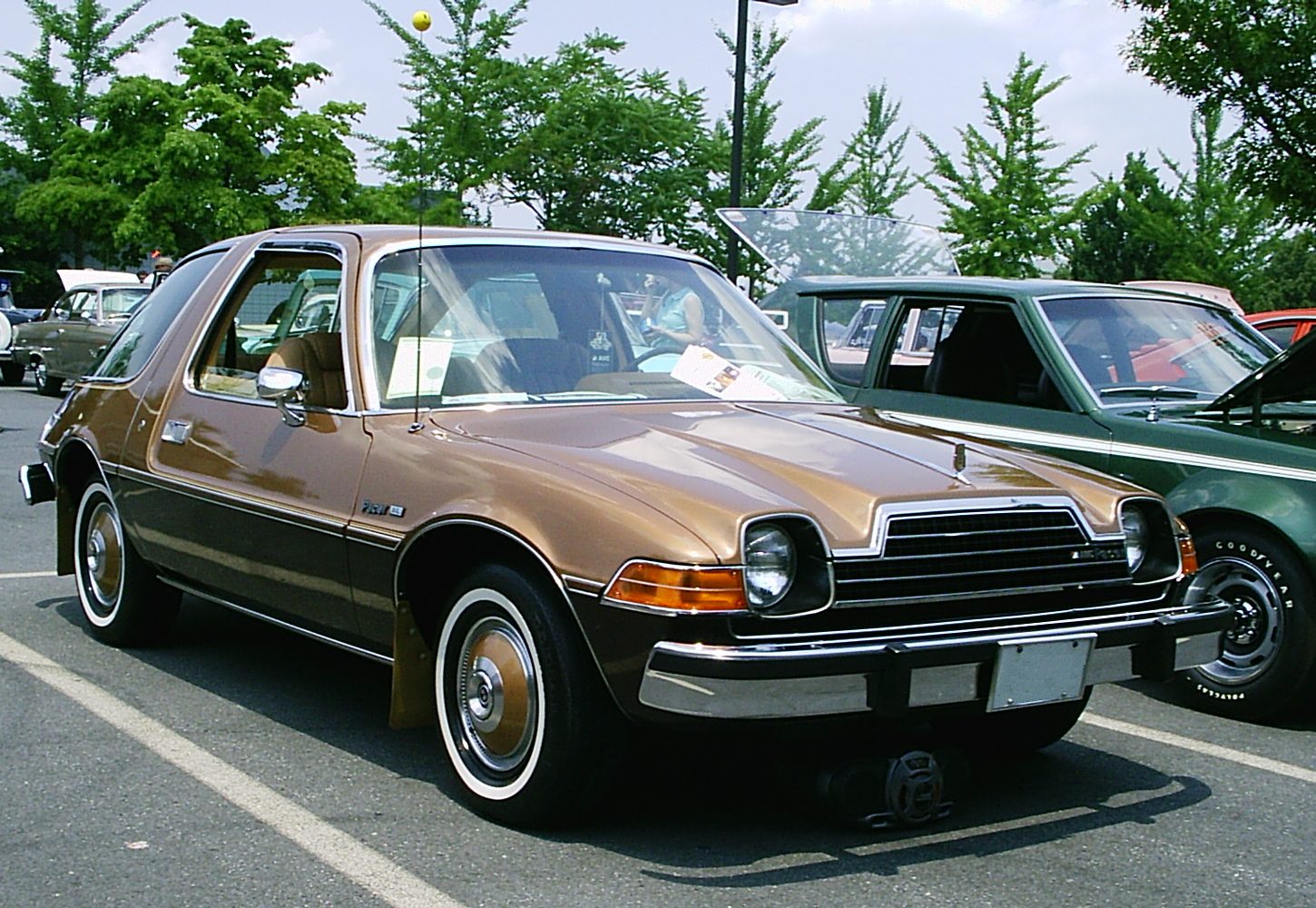
| Contrast roof | Roof, sometimes pillars and mirrors | Lowers the visual height | Hatchbacks, SUVs, crossovers |
| Upper and lower split | Along the waist or shoulder line | Classic, elegant, emphasises length | Saloons, luxury cars |
| Contrast bonnet | Bonnet, sometimes with stripes | Sporty, retro | Muscle and sports cars |
| Lower body contrast | Sills and bumpers | Rugged, off-road feel | 4x4s and pickups |
| Pillars and mirrors only | A, B and C pillars, mirror caps | Subtle “floating roof” | Almost any car |
Black is by far the most common second colour, because it ties in with glass, grilles and trim. White, silver and grey are the next most common contrasts.
Paint, wrap or PPF: which route?
Factory two-tone. If you are buying new, this is the easiest option. The finish is consistent, covered by the warranty and recorded on the vehicle’s documents.
Respray. A professional two-tone respray takes skill: the split line must be crisp, straight and follow the body line exactly. It is permanent, and the masking, extra preparation and two colour processes push costs up compared with a single-colour respray.
Vinyl wrap. Wrapping a roof, pillars or bonnet is usually far quicker and cheaper than painting, and it can be removed later. A gloss black roof wrap is one of the most common jobs at UAE wrap studios. Our guide on car wrap cost explains what drives the price.
PPF. Coloured or black PPF can create a contrast while adding stone-chip protection, though the range of colours is narrower than vinyl.
For a side-by-side look at durability, reversibility and protection, see our wrap vs PPF vs ceramic coating comparison.
Registration colour
If the change alters the main colour of the car, you may need to update the colour recorded with the licensing authority. A contrast roof is often treated differently from a full colour change, but rules can change, so check with the RTA in Dubai or your emirate’s authority before you commit.
What affects the price of a two-tone job
Studios price two-tone work very differently, so treat any figure you see online with caution and ask for an itemised written quote. The things that move the price most are easy to list, though:
- Method. Wrapping a roof is a small job; a full two-colour respray involves stripping trim, masking and two separate colour processes.
- Area. A roof alone is far less work than a roof plus pillars, mirrors, spoiler and boot lid.
- Sunroof or panoramic glass. These reduce the area of paint or film, but add careful cutting and edge work around the glass seal.
- Trim removal. Roof rails, aerials and seals that need removing add labour and some risk of broken clips.
- Finish. Gloss black is the standard; chrome, carbon-effect, matte and colour-flip films usually cost more.
- Paint condition. Chips or failing clear coat must be fixed before film goes on, or they will show through and the film may lift.
Getting the split line right
The split line is what separates a factory-quality two-tone from an amateur one. Whatever method you choose, check:
- The line follows a natural crease or trim strip. Lines across flat panels with no reference point rarely look right.
- It is the same height on both sides of the car. Measure from the ground or a fixed point.
- On wraps, the edge is tucked or finished cleanly, not left as a raw cut on the paint.
- On paint, there is no visible step, overspray or dust nibs at the masking edge.
How two-tone copes with UAE heat
A black roof absorbs much more sun than a white or silver one. On a light-coloured car, adding a black roof will make the roof surface noticeably hotter, and some owners notice a warmer cabin in summer, especially with a panoramic glass roof. Good window tint and a heat-rejecting windscreen film help. Use our window tint VLT calculator to compare tint combinations before adding a dark roof.
Horizontal surfaces like the roof and bonnet also take the most UV. A wrapped black roof will usually show ageing before vertical panels do, so ask the installer about expected life on horizontal surfaces specifically.
A contrast roof is the smallest change that makes the biggest difference to how a car looks. It is also the panel that works hardest in the sun.
Care tips
- Wash both colours with the same gentle routine; do not use strong cleaners on the darker panels to remove water spots.
- If one colour is matte or satin wrap, use matte-safe shampoo and avoid wax on that section.
- A ceramic coating designed for both paint and vinyl can cover the whole car and make washing easier.
- Check wrap edges at the windscreen and rear glass every few months, where heat and washing put the most stress on the film.
Choosing your colour pair
A few combinations work on almost any car: white with black roof, grey with black, silver with black, and dark blue with silver or white. Brighter combinations such as orange with black or green with white are more of a statement and can affect resale. If you are not sure, try the roof in wrap first; if you love it, you can keep it or paint it later.
Before you decide, look at the car side-on from a few metres away and photograph it. Two-tone changes the proportions more than people expect, and a photo makes it easier to judge.
Frequently asked questions
Is it cheaper to wrap or paint a two-tone roof?
Wrapping a roof is usually cheaper and faster than painting it, and it can be removed. Get quotes for both if you want a permanent finish.
Do I need approval for a two-tone car in the UAE?
A full colour change normally needs updating with the licensing authority. Contrast roofs and partial changes may be treated differently, so confirm with the RTA or your emirate’s authority.
Does a black roof make the car hotter?
It makes the roof surface hotter in direct sun, and on some cars the cabin feels warmer. Tint and sun shades reduce the effect.
How long does a wrapped roof last?
It depends on the film and how much sun the car gets. Horizontal surfaces age faster than doors and sides.
Sources: Roads and Transport Authority (RTA), 3M Automotive, Avery Dennison Graphics
Last reviewed: 2026-11-26.