Ceramic Coating Explained: What It Does in UAE Sun and Sand
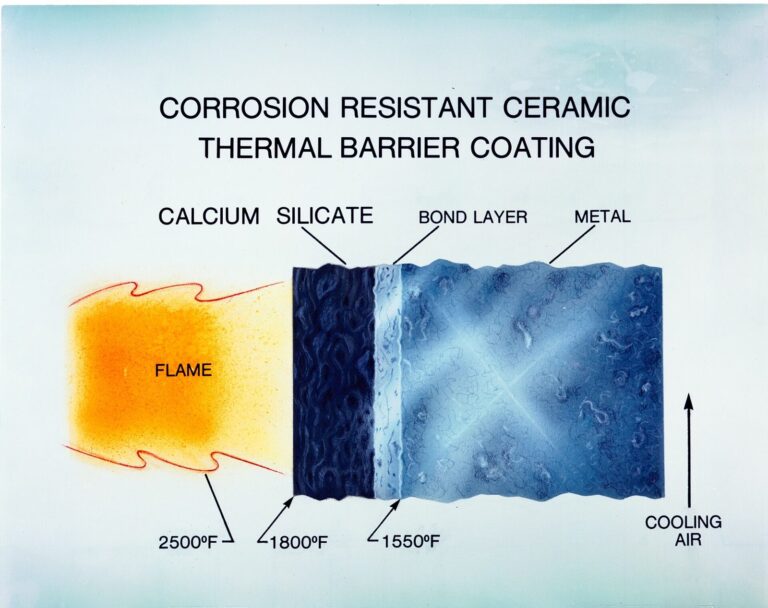
Ceramic coating is a liquid polymer, usually based on silicon dioxide (SiO2), that bonds to a car’s clear coat and cures into a thin, hard, glossy layer. It makes paint easier to clean, repels water and adds some resistance to chemicals and UV. It does not make a car scratch-proof or chip-proof, and in the UAE it is best thought of as a long-lasting, low-maintenance shield rather than armour.
How ceramic coating works
A coating is applied by hand in small sections, levelled with a cloth and left to cure. As the solvents evaporate, the active ingredients cross-link with each other and grip the clear coat. The result is a layer measured in microns, much thinner than paint protection film, but harder and more chemically resistant than wax or sealant.
Two properties people notice straight away:
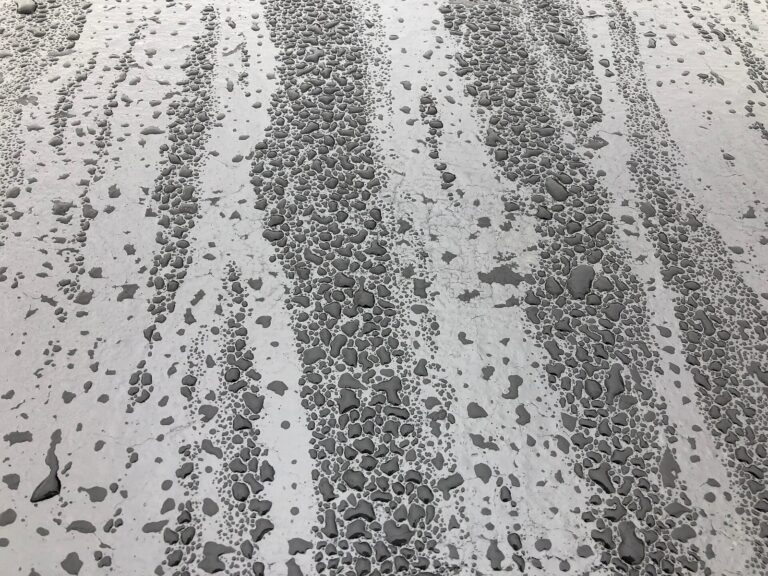
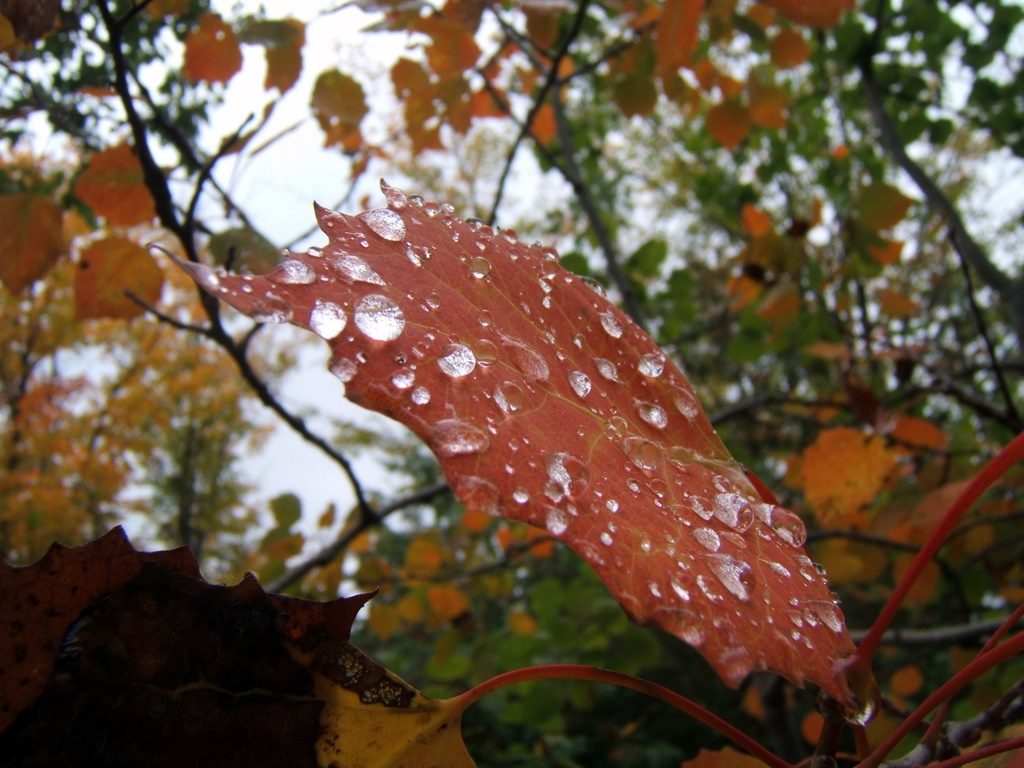
- Hydrophobic behaviour. Water beads and rolls off, carrying light dust with it.
- Slickness. Dirt has less to grip, so washing is quicker and needs less scrubbing.
What ceramic coating can and cannot do
Clear expectations avoid disappointment. Marketing language often overstates what a coating does.
| Claim | Reality |
|---|---|
| Protects against UV fading | Helps slow oxidation; shade and washing still matter |
| Makes the car easier to clean | Yes, this is the main everyday benefit |
| Prevents scratches | Reduces light wash marring, does not stop deeper scratches |
| Stops stone chips | No. Only paint protection film absorbs impacts |
| Lasts forever | No. Life depends on product, prep and care, often a few years |
| Replaces washing | No. A coated car still needs regular, gentle washing |
About “9H”
Many products advertise 9H hardness. That refers to a pencil hardness test, where the coating resists marking by the hardest grade of pencil. It is a useful comparison between products, but it does not mean the surface cannot be scratched by sand, keys or a dirty sponge.
Why preparation matters more than the bottle
A coating locks in whatever is underneath it. If swirl marks, holograms or water spots are present when it goes on, they stay visible under the gloss. That is why professional jobs typically include:
- A thorough wash and chemical decontamination to remove iron particles and tar.
- Clay treatment to lift bonded contamination.
- Machine polishing, from a light enhancement to a multi-stage correction depending on paint condition.
- A panel wipe to remove polishing oils so the coating can bond.
- Application in a clean, shaded, temperature-controlled area.
Most of the cost and time in a professional ceramic job is in steps 1 to 3, not in the coating itself.
Ceramic coating in UAE conditions
Heat, sun and dust all affect how a coating performs.
- Application temperature. Coatings flash and cure faster on hot panels, which makes them harder to level evenly. Professionals work indoors with controlled temperatures for this reason.
- Curing time. Most products need a period with no washing and minimal water contact. Follow the specific product instructions.
- Dust and sand. Wiping a dusty car with a dry cloth will scratch it, coating or not. Rinse first, then wash.
- Water spots. Coated cars bead water, and if droplets dry in strong sun they can leave spots. Dry the car after washing and avoid parking near sprinklers.
Pair it with the right protection
If you drive a lot on highways, consider paint protection film on the front end with ceramic coating on the rest of the car. Our wrap vs PPF vs ceramic comparison shows how the layers combine.
Professional or DIY?
Consumer coatings are easier to apply and more forgiving, but they usually last less time than professional products. DIY can work well if you are patient and have a garage or shaded space.
Consider professional application if
- The paint needs correction before coating.
- You want a longer-life product that is sold only to trained installers.
- You want a written warranty with maintenance inspections.
DIY can make sense if
- The car is new or the paint is already in very good condition.
- You can work indoors or in deep shade.
- You are comfortable with machine polishing or only want a light gloss boost.
Looking after a coated car
- Wash every one to two weeks with a pH-neutral shampoo, using the two-bucket method.
- Rinse thoroughly before touching the paint to remove sand.
- Avoid automatic brush car washes.
- Use a drying towel or blower to prevent water spots.
- Apply a maintenance spray made for coatings if the installer recommends it.
- Book any inspections required to keep the warranty valid.
A coating rewards good washing habits. It does not replace them.
Signs a coating is wearing off
Coatings rarely fail all at once. They fade gradually, usually on the roof, bonnet and boot lid first, because those panels take the most sun. Watch for these changes:
- Water stops beading tightly and starts to sheet slowly or sit in flat patches.
- Dirt clings more after rain and the car takes longer to wash.
- The paint feels grabby rather than slick when you run a clean microfibre over it after washing.
- Bird droppings and tree sap start leaving marks more easily.
A professional installer can test the surface and decide whether a top-up layer is enough or whether the paint needs polishing and recoating. Many systems are designed to be refreshed rather than stripped completely.
What it costs
Prices for ceramic coating vary widely in the UAE. The main factors are the size of the car, how much paint correction is needed, the product chosen and whether wheels, glass and trim are included. Ask for itemised quotes that name the product and say exactly what preparation is included.
FAQ
How long does ceramic coating last?
It depends on the product, preparation, climate and care. Some consumer products last months, while professional systems are often rated for several years with proper maintenance.
Can you put ceramic coating over PPF or a wrap?
Yes, with products designed for film. They make the film easier to clean and can improve stain resistance.
Will ceramic coating stop sand scratches?
It reduces light marring from washing, but sand rubbed across the paint can still scratch it.
Is ceramic coating worth it on an old car?
It can be, if the paint is first corrected. Coating faded or swirled paint without polishing simply seals the defects in.
Sources: Roads and Transport Authority, Gtechniq, CarPro
Last reviewed: 2026-11-25.