Is Paint Protection Film Worth It? A Decision Guide for UAE Car Owners
Paint protection film is worth it for most owners who keep a car for several years, drive regularly on highways, own a dark or premium-paint car, or need to return a leased car without chip charges. It is harder to justify on an older car with already-damaged paint, a car you will sell soon, or one that rarely leaves the city.
What you are actually paying for
PPF is a clear urethane film, much thicker than paint’s clear coat, applied over the areas most likely to be chipped or scratched. Its job is to take the damage instead of your paint. Most modern films also have a self-healing top layer, so light swirl marks fade with heat, which in a UAE summer often happens just by parking in the sun.
The value comes from avoiding things that are expensive or impossible to undo: stone chips through to primer, sand-blasted leading edges, and scratches that need respraying a panel. A respray never quite matches factory paint, and repaired panels can affect resale.
A quick decision table
| Your situation | Is PPF likely worth it? | Suggested coverage |
|---|---|---|
| New car, kept 4+ years, regular highway driving | Very likely | Full front, possibly track pack |
| Leased car with strict return inspection | Often | Full front, after checking lease rules |
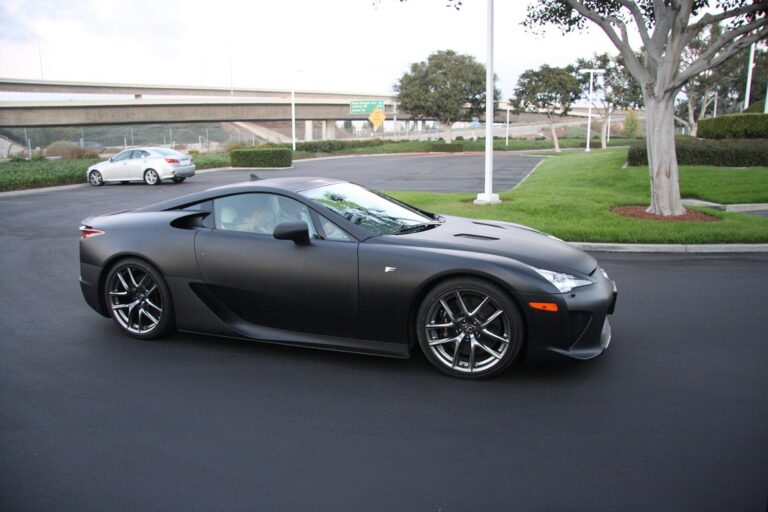
| Premium or hard-to-match paint (pearl, tri-coat, matte) | Very likely | Full front or full body |
| City-only driving, covered parking | Maybe | Partial front or headlights only |
| Older car with chips and fading | Usually not | Fix paint first, then reconsider |
| Car you will sell within a year | Usually not | Coating or careful washing instead |
The case for PPF in the UAE
Why the region makes PPF more attractive
- Long highway drives between emirates expose the front to gravel thrown by trucks.
- Wind-blown sand on open roads gradually dulls leading edges.
- Construction areas leave grit and debris on many roads.
- Strong sun makes bird droppings and insect residue etch faster.
- Matte and special-effect paints are popular and difficult to repair.
If your daily commute includes the E11, E311 or roads toward Al Ain and Hatta, chip risk is real. Front-end PPF is where most of the value sits.
PPF is cheapest to think about before the first chip, not after the tenth.
The case against
PPF is not free of drawbacks. Up close, film edges can be visible, especially on partial coverage. A cheap film or poor installation can yellow, lift or peel. Removing film from resprayed panels can pull paint. And the cost of quality film plus skilled labour is significant, so the numbers have to make sense for how long you keep the car.
When PPF disappoints
- Low-quality film that yellows or cracks after a few summers
- Partial bonnet coverage that leaves an obvious line on dark paint
- Knife cuts on paint from trimming on the car
- Film applied over chips or swirls that were not corrected first
Working out whether the numbers add up
Rather than comparing PPF cost against nothing, compare it against what you would otherwise spend:
- Touch-ups and resprays: a few panel repaints over the life of a car can add up, and they never fully match original paint.
- Lease return charges: some leases charge for chips and scratches beyond fair wear.
- Resale value: buyers notice a heavily chipped front end, and original paint is a selling point for premium cars.
- Your time and hassle: fewer repairs mean fewer days without the car.
Ask several installers for itemised quotes that name the film brand and series, list exact panels, and include warranty terms. Prices vary with car size, coverage and film, so a written breakdown is the only fair way to compare.
Getting the most value from PPF
- Choose a recognised brand with a registered manufacturer warranty.
- Prefer full panels over partial ones on dark colours, to avoid visible lines.
- Have the paint corrected before film goes on.
- Add a coating made for film to make cleaning easier.
- Wash by hand or in touchless washes, and keep pressure-washer nozzles away from edges.
If you are torn between PPF and other finishes, our Wrap vs PPF vs Ceramic Coating page lays out what each protects against and how long each tends to last.
A middle-ground approach
Owners on a tighter budget often start with the most exposed areas: front bumper, leading edge of the bonnet, mirrors and headlights. That small package catches a large share of chips for a fraction of the full-front price. Later, if the car is kept longer than planned, more panels can be added, though matching film age can be a minor visual issue.
Frequently asked questions
Does PPF really stop stone chips?
Quality PPF absorbs most everyday stone impacts that would otherwise chip paint. Very large or sharp impacts can still damage film and, rarely, the paint beneath.
Is PPF worth it on a white car?
Chips are less visible on white paint, but they still expose primer and can rust over time. Many owners of white cars still choose front PPF for highway driving.
Will PPF affect my car’s warranty?
Film applied by a reputable installer should not affect the manufacturer’s paint warranty, but check your warranty terms if unsure.
Can I add PPF to a used car?
Yes, if the paint is in good condition. Chips and scratches should be corrected first, since film seals in whatever is underneath.
How long does PPF last in the UAE?
Quality films carry multi-year warranties against yellowing and cracking. Real life depends on the film, parking and washing habits.
Sources: XPEL, 3M Automotive, Dubai Roads and Transport Authority
Cover photo: Ironimp, CC BY-SA 3.0. Last reviewed: 2026-11-25.