Nano Ceramic Coating: What the Label Means and What It Does
“Nano ceramic coating” is a marketing name for the same family of products as ordinary ceramic coatings: liquid formulas, usually based on silicon dioxide or related compounds, whose particles are extremely small and cure into a thin, hard, water-repellent layer on paint. The word “nano” describes particle size and how closely the coating bonds to the surface, not a separate technology. What matters for UAE drivers is the specific product, the preparation underneath it and how the car is looked after.
What “nano” actually means
A nanometre is a billionth of a metre. Coating makers use “nano” to say that the active ingredients are small enough to fill microscopic pores in the clear coat and form a dense, even film when they cure. Almost every true ceramic coating works this way, so a product labelled “nano ceramic” is not automatically better or different from one labelled simply “ceramic”.
When comparing products, ignore the buzzwords and look at:
- Chemistry. SiO2 (silica), SiC (silicon carbide), titanium dioxide additives or hybrid polymer formulas.
- Solids content and layer thickness. How much material remains on the paint after curing.
- Rated durability. What the maker claims, and under what conditions.
- Application method. Professional-only, enthusiast or spray-on.
- Warranty terms. What is covered and what maintenance is required.

Types of products sold as nano ceramic
| Product type | Typical form | Durability | Who applies it |
|---|---|---|---|
| Professional coating | Small bottle, applied by hand panel by panel | Longest, often rated in years | Trained installers |
| Enthusiast coating | Similar to pro but more forgiving | Months to a few years | Experienced DIY users |
| Ceramic spray sealant | Spray and wipe | Weeks to months | Anyone |
| Ceramic-infused shampoo or quick detailer | Added during washing or drying | Short-term top-up | Anyone |
| Graphene coating | Silica-based formula with graphene additives | Varies by product | Installers or DIY |
Spray products are useful for maintenance and for adding gloss between full coatings. They do not replace a properly applied professional coating.
Graphene coatings
Some newer coatings add graphene or graphene oxide. Makers claim benefits such as reduced water spotting and better heat tolerance. Independent long-term evidence varies, so judge them on real-world results and warranty terms rather than the name.
What a nano ceramic coating can do
- Makes paint easier to wash and dirt less likely to stick.
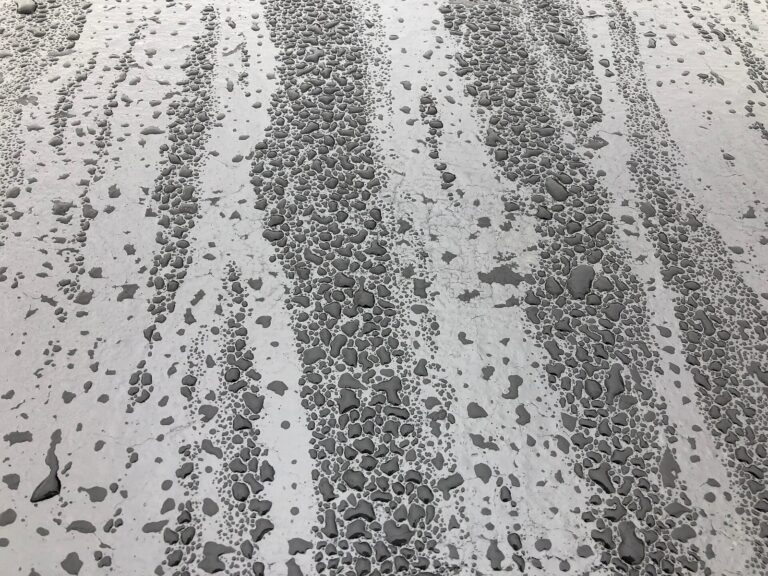
- Repels water and some stains.
- Adds gloss and depth.
- Helps resist chemical etching from bird droppings and insects for a short time.
- Slows down UV oxidation of the clear coat.
What it cannot do
- Stop stone chips. That requires paint protection film.
- Make paint scratch-proof. Sand and dirty cloths still scratch.
- Hide swirls and defects. Paint correction must come first.
- Replace washing. Coated cars still need regular, gentle washes.
“Nano” describes the particles, not the protection. Prep, product and care decide how well it performs.
Preparation decides the result
A coating locks in the surface beneath it. Professional preparation usually includes washing, iron fallout removal, clay treatment, machine polishing and a panel wipe to remove oils. On a new car, a light polish may be enough. On older cars in the UAE, where sand and dry-wiping cause swirls, correction can take a day or more.
Application in UAE conditions
Heat changes how coatings behave. On hot panels the solvent flashes off quickly, leaving little time to level the coating, which can cause high spots that look like smears. Professional installers work indoors with controlled temperature and lighting, and they inspect panels under strong lights. If you apply a coating yourself, work in a shaded garage in the cooler part of the day and do one small section at a time.
Curing time matters
Most coatings need a period without rain, sprinklers or washing while they cure. Check the product instructions and plan the job around them.

Coating wheels, glass and trim
Paint is only part of the car. Many coating packages also cover other surfaces, often with products made for each one.
- Wheels. Brake dust bakes onto wheels in heat. A coating designed for high temperatures makes cleaning much easier, especially on complex alloy designs.
- Glass. Glass coatings help water and dust slide off the windscreen. In the UAE they are useful mainly for the few rainy days and for sprinkler spray.
- Plastic trim. Unpainted black plastic fades to grey in strong sun. Trim coatings restore colour and slow down fading.
- Interior surfaces. Some installers offer coatings for leather and fabric to resist stains.
Ask which product is used on each surface and whether it is included in the price or charged separately.
Maintaining a coated car
- Wash every one to two weeks with a pH-neutral shampoo.
- Rinse sand off thoroughly before contact washing.
- Use clean microfibre towels and the two-bucket method.
- Dry the car to avoid water spots, especially in strong sun.
- Use the maintenance spray recommended by the coating maker.
- Book inspections if your warranty requires them.
Coating, film or both?
For maximum protection on UAE highways, many owners use paint protection film on the front of the car and a coating on the remaining paint, sometimes with a coating designed for film on top of the PPF. Our wrap vs PPF vs ceramic comparison shows the options and how they combine.
How to compare quotes
Prices for coating packages vary widely depending on preparation, product, number of layers and whether wheels, glass, trim and interior surfaces are included. Ask each installer to state:
- The exact product name and number of layers.
- The level of paint correction included.
- Which surfaces are coated.
- Warranty length and maintenance conditions.
FAQ
Is nano ceramic coating different from ceramic coating?
Usually not. “Nano” refers to particle size, which applies to most ceramic coatings. Compare specific products, not labels.
How long does nano ceramic coating last?
It depends on the product, preparation, climate and care, from months for sprays to several years for professional systems.
Does nano ceramic coating protect against scratches?
It helps against light wash marring but does not stop deeper scratches or stone chips.
Can I apply nano ceramic coating myself?
Yes, with enthusiast or spray products, if you have a shaded, clean space and prepare the paint properly.
Sources: Roads and Transport Authority, Gtechniq, CarPro
Last reviewed: 2026-11-25.