3M Paint Protection Film: What It Is and How It Holds Up in the UAE
3M paint protection film is a clear, flexible urethane layer that installers fit over painted panels to absorb stone chips, sand abrasion and light scratches. 3M is one of the oldest names in the category, and its film is still widely offered by installers across the UAE alongside rival brands. Whether it is the right choice for you comes down to the specific product line, the quality of the fitting and how you look after it.
Where 3M fits in the history of PPF
Clear protective film did not start life on luxury cars. The idea grew out of protective tape used on aircraft and military equipment, and 3M was among the companies that turned that material into a product for road vehicles. That long history is part of why many people still say “3M film” the way others say “Sellotape” for any clear tape.
Today the market is crowded. XPEL, SunTek, STEK, LLumar and several others compete directly, and most offer a gloss film, a matte or satin film and some form of self-healing top coat. The brand on the box matters, but it is only one part of the result you see on the car.
Product names change
Manufacturers rename and replace film lines every few years. Rather than relying on a product name you saw online, ask the installer to show you the exact film on the roll label and the current warranty card for the UAE.
How the film is built
Modern PPF is a sandwich of layers, each with a job:
- Top coat: a thin clear layer that resists stains and, on most current films, flows back after light swirl marks when warmed by the sun or warm water.
- Urethane body: the thick, stretchy layer that takes the impact of grit and small stones.
- Adhesive: a pressure-sensitive glue designed to hold firmly yet release from factory paint when the film is removed correctly.
- Liner: the backing that is peeled away during installation.
The thickness of the urethane is usually quoted in mils (thousandths of an inch). Thicker film can absorb more energy, but it is also harder to stretch around complex curves, which is why installers sometimes prefer a slightly thinner film on tightly shaped bumpers.
Why people in the UAE choose PPF
The case for film is stronger in the Gulf than in many places. Highways such as Sheikh Mohammed Bin Zayed Road and the E11 carry heavy truck traffic, and the grit those wheels throw up is a constant source of chips on bonnets and mirrors. Wind-blown sand acts like fine sandpaper on leading edges. On top of that, many car parks are open to the sky, so paint spends long hours under strong sun.
Film does not stop every problem. It will not prevent a dent from a car park door or a deep gouge from a determined vandal. What it does well is take the small, repeated damage that slowly makes a front end look tired.
| Threat | Does PPF help? | Notes |
|---|---|---|
| Stone chips on the highway | Yes, this is its main job | Thicker film on the bonnet and bumper gives the most benefit |
| Sand abrasion | Yes | Leading edges and mirrors benefit most |
| Light swirl marks from washing | Usually | Self-healing top coats recover with heat |
| Bird droppings and insect residue | Partly | Clean promptly; the top coat resists etching better than bare clear coat |
| Dents and deep scratches | No | Film is not armour |
| UV fading of paint | Partly | Most films block a large share of UV, but check the specific product sheet |
Choosing coverage
You do not need to wrap the whole car to get value. Common packages, in rough order of coverage, are:
- Partial front: leading edge of the bonnet, front bumper and mirrors.
- Full front: whole bonnet, both front wings, bumper, mirrors and often headlights.
- Track or high-impact pack: full front plus rocker panels and the area behind the rear wheels.
- Full body: every painted panel.
The right level depends on how you drive. Someone commuting daily between Dubai and Abu Dhabi will collect far more chips on the front than someone who mostly drives short trips in town. If you are unsure how film compares with a wrap or a coating, our wrap vs PPF vs ceramic comparison sets the three side by side.
What to ask an installer
The installer has at least as much influence on the final result as the brand. Before booking, ask:
- Which exact film will be used, and can you see the roll label?
- Is the pattern cut by plotter from a template, or hand-cut on the car? Both can be good; hand-cutting on paint needs real skill.
- Will edges be wrapped around panel edges where possible, so the film line is hidden?
- How do they handle badges, sensors and parking cameras?
- What is the warranty, who honours it in the UAE, and what does it exclude?
- How long should the car stay indoors after fitting?
Watch for rushed jobs
Lifted edges, trapped dust, knife marks on the paint and visible stretch lines are signs of a rushed installation. Inspect the car in daylight before you drive away, and again a week later.
Caring for 3M film in hot weather
Film needs less fussing than bare paint, but a few habits help it last.
Washing
Wait the curing period your installer gives before the first wash. After that, use a pH-neutral shampoo and soft mitts. Avoid pointing a pressure washer nozzle directly at film edges from close range, as it can lift them. Brush-type automatic washes are best avoided.
Heat and parking
Shade is your friend. Film tolerates heat well, but long exposure every day slowly ages any polymer. A covered parking bay or a breathable car cover on a villa driveway helps.
Stains
Wipe off bird droppings, tree sap and insect residue promptly. Many owners also apply a coating or spray sealant designed for PPF, which makes cleaning easier. Ask your installer which products are compatible with the film you have.
The best film in the world will look poor if it is badly fitted, and a well-fitted mid-range film often looks better than a premium one installed in a hurry.
Removing or replacing film
When film reaches the end of its life, a trained installer removes it with gentle heat and a low pulling angle so the adhesive releases from the paint rather than taking paint with it. Repainted panels are a risk: if the refinish was not properly cured, film removal can lift it. Tell your installer about any respray history before fitting.
Frequently asked questions
Is 3M paint protection film better than XPEL?
Both are established brands with gloss and matte options. Differences between the two are smaller than differences between a careful installer and a careless one. Compare the current product data sheets and the warranty terms offered in the UAE.
Does PPF turn yellow in the sun?
Older generations of film were more prone to yellowing. Current films from major brands use stabilisers to resist it, and warranties usually cover yellowing for a stated period. Check the exact wording.
Can I put a ceramic coating on top of PPF?
Yes, many owners do, using a coating that the coating maker says is safe for film. It adds slickness and makes washing easier.
How long should PPF last?
Major brands typically warrant their premium films for several years. Real life depends on sun exposure, washing habits and the quality of the installation.
Sources: 3M Automotive Films, International Window Film Association, RTA Dubai
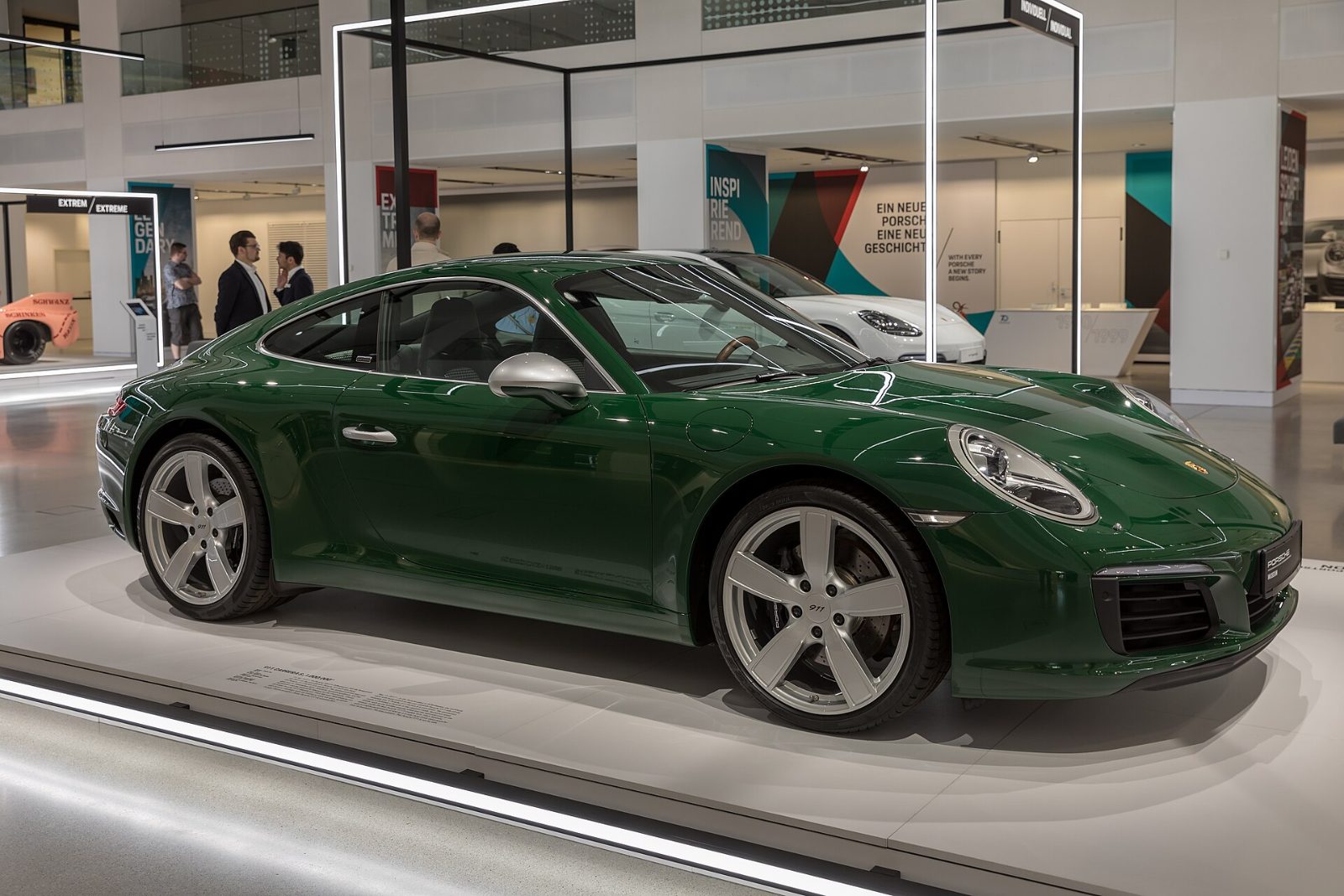
Cover photo: Matti Blume, CC BY-SA 4.0. Last reviewed: 2026-11-25.