Car Tinting Prices in Dubai: What Drives the Quote
Car tinting prices in Dubai vary widely because the quote depends on the film type, the brand, how many windows you tint, the size and shape of the car and the warranty offered. A basic dyed film on a small saloon sits at the bottom of the range, while a premium ceramic film on a large SUV, with a long brand warranty, sits at the top. Rather than chasing a single number, it is more useful to understand what you are paying for and compare quotes on equal terms.
Why there is no single price
Two shops can both say “full car tint” and mean very different jobs. One might use an unbranded film with a short shop warranty, cut by hand on the glass. Another might use a well-known ceramic film, computer-cut patterns and a manufacturer warranty registered in your name. Both are tinting; the value is not the same.
Because the prices are set by individual businesses, change with promotions and differ across emirates, this guide does not quote figures. Ask at least two or three installers for written quotes and use the checklist below to compare them.
The main factors in a tint quote
1. Film type
Film technology is the biggest single factor. In rough order from lower to higher cost:
| Film type | Main strength | Typical cost position |
|---|---|---|
| Dyed | Privacy and glare control | Lowest |
| Metallised | Heat reflection, durability | Low to mid |
| Carbon | Good heat rejection, stable colour | Mid |
| Ceramic | Strong infrared rejection at lighter shades | Highest |
Within each type, brand and product line matter too. A flagship ceramic film from a major brand costs more than an entry-level ceramic line. Our guide to window tint film types explains the differences.
2. Number of windows
Quotes may cover only the side and rear windows, or include a windscreen sun strip, a front windscreen film where permitted, or a sunroof or panoramic roof. Panoramic roofs are large and curved, so they add noticeably to the time and material.
3. Vehicle size and glass shape
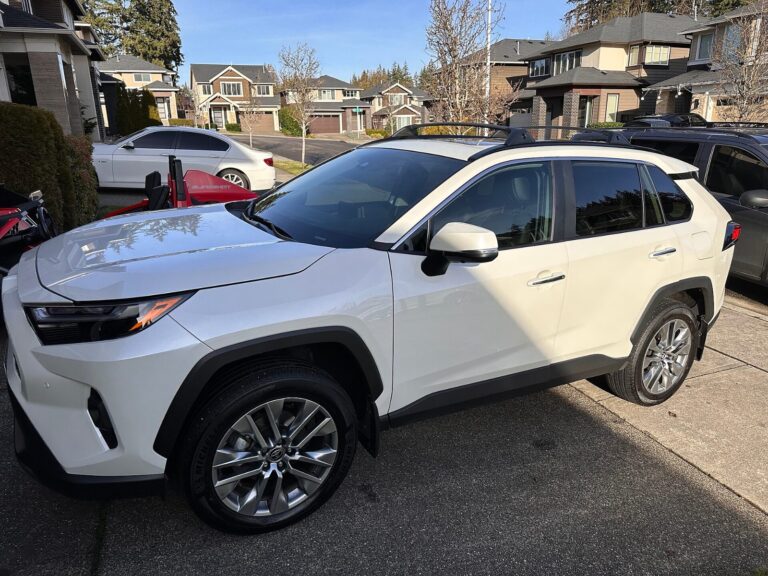
An SUV or a seven-seater has more glass than a compact hatchback. Strongly curved rear screens, as on many coupes, take longer to heat-shrink and fit without creases.
4. Removing old film
If the car already has tint, it must be removed first. Old, baked film can come off in tiny pieces and leave stubborn adhesive, especially on rear screens with defroster lines. Many shops charge extra for removal.
5. Warranty
A manufacturer warranty registered to the car usually costs more than a shop-only promise, but it gives you recourse if the film bubbles, peels or changes colour. Ask exactly who honours the warranty if the shop closes.
What a fair quote should include
Ask for these details in writing
- Film brand and exact product line for each window
- VLT of each film and the expected combined VLT with your factory glass
- Which windows are included, and whether the windscreen or sunroof is extra
- Whether old film removal is included
- Warranty length, coverage and who honours it
- Expected curing time and aftercare instructions
A professional installer should be happy to show you film samples, explain heat rejection figures and measure your glass. If a shop cannot tell you what film it uses, that is a warning sign.
Legal limits change the maths
The darkest film is not always the most expensive, and it may not be legal. The UAE sets limits on how dark tint may be, and fines apply to cars that exceed them. Because factory glass already blocks some light, adding film can push the combined result below the limit even when the film on its own seems acceptable. Our window tint VLT calculator shows how the numbers combine. Check the current rules with the traffic authority before choosing a shade.
A cheap tint that has to be removed after a fine, or redone after it bubbles, ends up being the expensive option.
Is premium film worth it in Dubai?
For many drivers in Dubai, yes. Cars parked outdoors in summer get extremely hot inside, and a film that rejects more infrared reduces the heat soak and the work the air conditioning has to do. Ceramic film also avoids signal interference with phones and navigation.
That said, premium film is not essential for everyone. If the car is garaged at home, parked underground at work and kept for only a short time, a good carbon film can be a sensible balance of cost and comfort.
Questions to ask yourself
- How many hours a day does the car sit in direct sun?
- How long do you plan to keep it?
- Do you need privacy for passengers or items in the back?
- Is heat or glare your main complaint?
Red flags when comparing quotes
Be cautious if
- The shop cannot name the film brand or product
- The price is far below every other quote you received
- There is no written warranty
- They offer to fit film darker than the legal limit “because no one checks”
- The work area is dusty and open to the street
How long the job takes
A straightforward side-and-rear tint on a saloon is often done the same day. Larger vehicles, panoramic roofs and old film removal take longer. Allow time for the film to cure afterwards before rolling the windows down.
Frequently asked questions
Why do ceramic tint quotes vary so much?
Ceramic is a broad label. Different brands and product lines offer different heat rejection, clarity and warranty, and prices reflect that.
Is it cheaper to tint only the rear windows?
Yes, fewer windows means less film and labour. Many drivers start with the rear and add the front later.
Does tint removal cost extra?
Often, yes. Old film on a rear screen with defroster lines can take a long time to remove cleanly.
Can I get a refund if my tint fails a police check?
That depends on the shop’s terms. Ask before fitting, and choose a shade that stays within the current legal limit.
Sources: International Window Film Association, Dubai Police, RTA Dubai
Last reviewed: 2026-11-25.