Car Window Tinting in Abu Dhabi: Legal Limits, Film Types and What to Ask
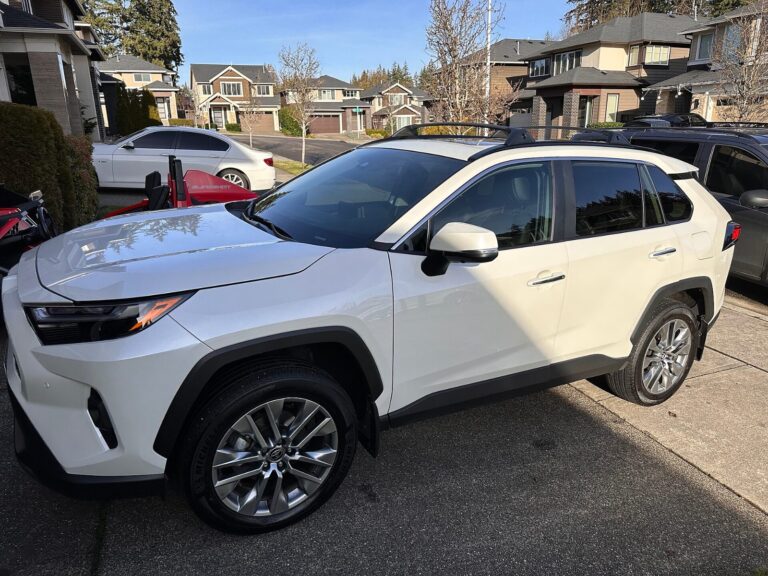
Car window tinting in Abu Dhabi follows the federal UAE rules: side and rear windows can be tinted up to the permitted limit (commonly stated as 50 percent), while the windscreen must stay clear apart from a narrow top strip. Within that limit, the film you choose decides how much heat you actually block, so the shade number is only half the story.
Why tint matters more in Abu Dhabi than almost anywhere
Summer cabin temperatures in the capital climb fast. A car parked at Yas, Khalifa City or on Corniche Road in July can feel like an oven within minutes, and the dashboard, leather and screens take a beating from ultraviolet light every day. Tint does three practical jobs here:
- cuts the infrared heat that makes the cabin hot and the AC work hard
- blocks most UV, which fades upholstery and is hard on skin over long commutes
- reduces glare on the E10, E11 and the long straight desert roads toward Al Ain and Liwa
Privacy is a bonus, but in the UAE it is also the part that is regulated.
The legal limit in plain terms
The UAE applies one federal standard for tint, and Abu Dhabi Police enforce it like other emirates. The commonly quoted rule is that side and rear windows may not be darker than the permitted percentage and the front windscreen must not be tinted. Tint percentages refer to visible light transmission (VLT): a 50 percent film lets half the visible light through, so a lower number means a darker window.
Check before you buy
- Rules and fines can be updated, so confirm the current limit with Abu Dhabi Police or the official TAMM portal before installation.
- Some exemptions exist for medical reasons and certain vehicle categories, but they require an application, not just a note from the shop.
- Film sold as legal on its own can end up darker than allowed when layered over factory privacy glass.
That last point catches many owners. Rear glass on many SUVs already comes slightly tinted from the factory. Add a film on top and the combined VLT drops. Our Window Tint VLT Calculator shows how two layers multiply, so you can check the final number before the film goes on.
Film types and how they handle the heat
Not every film is built the same. The cheapest dyed films look dark but do little against infrared heat, which is what you feel on your arm through the glass. Here is how the main families compare in UAE conditions.
| Film type | Heat rejection | Signal interference | Typical lifespan in UAE sun | Notes |
|---|---|---|---|---|
| Dyed | Low | None | Shortest, can fade or turn purple | Budget option, mostly cosmetic |
| Metallised | Medium to good | Can affect GPS, radio and phone | Long | Shiny look, less common now |
| Carbon | Good | None | Long, colour stays stable | Matte, dark charcoal tone |
| Ceramic / nano-ceramic | Very good, even in lighter shades | None | Long | Can stay legal and still block heat |
The key takeaway for Abu Dhabi drivers is that a lighter ceramic film within the legal limit can outperform a much darker dyed film. If you want heat control without risking a fine, ceramic is the category to look at first.
In the UAE, buy tint for the heat it blocks, not for how dark it looks.
What the spec sheet should tell you
Ask the installer for the manufacturer’s data sheet for the exact film, not a generic brochure. Look for:
- VLT (visible light transmission) for the legal check
- TSER (total solar energy rejected), the best single figure for overall heat control
- IR rejection, often quoted at specific wavelengths, so compare like with like
- UV rejection, usually 99 percent for quality films
Be wary of shops that only quote “heat rejection up to” without naming the film model. Different product lines from the same brand can perform very differently.
Choosing an installer in Abu Dhabi
The Mussafah industrial area and dealer-linked studios across the city all offer tinting, and quality varies widely. A good job is hard to judge on the day; problems such as bubbles, peeling edges and dust specks often appear in the first weeks of heat.
Questions worth asking
- Which film brand and model will you use, and can I see the box or roll label?
- Is the warranty from the manufacturer, the shop, or both, and is it registered?
- Do you cut film by computer plotter or by hand on the glass?
- How long should the car stay out of the sun and how long before I can roll the windows down?
- Can you measure the final VLT with a meter after installation?
A shop that owns a tint meter and offers to check the reading in front of you is usually confident in its work and in staying within the law.

Price: what changes the quote
Prices in Abu Dhabi vary with the film tier, the size of the vehicle and the number of windows. A small sedan with a basic film costs much less than a large SUV with premium ceramic on every pane, and sunroof or panoramic roof glass adds to the bill. Rather than trusting a single figure online, ask two or three studios for a written quote naming the exact film, and compare on film model and warranty terms rather than on headline price.
Things that legitimately raise the price:
- premium ceramic or multi-layer nano films
- removal of old, bubbling tint (adhesive cleanup takes time)
- large or curved rear glass that needs heat shrinking
- windscreen heat-rejection film that is clear enough to stay legal, where permitted
Aftercare in desert conditions
Fresh tint needs time to cure. Moisture trapped between the film and glass dries out over several days, faster in summer and slower in the cooler months. During that time a slight haze is normal.
- Keep windows up for the period your installer recommends.
- Clean with a soft microfibre and ammonia-free cleaner; ammonia can damage some films.
- Sand and dust are abrasive, so wipe gently rather than dragging grit across the surface.
- Watch the rear defroster lines; a careless scraper can cut both film and heater wires.
If you are deciding between tint and other heat and surface protection, our Wrap vs PPF vs Ceramic Coating guide explains how each finish fits into a full protection plan.
Frequently asked questions
Can I tint my windscreen in Abu Dhabi?
The front windscreen should stay clear under UAE rules, apart from a narrow sun strip at the top in many cases. Clear heat-rejection films exist, but check with Abu Dhabi Police that a specific product is acceptable before fitting it.
Does factory privacy glass count toward the limit?
Yes. Police measure the light passing through the window as a whole, so the factory tint and any film you add are combined. Measure or calculate the total before choosing a film.
Will ceramic tint affect my phone or GPS?
Quality ceramic and carbon films are non-metallic and should not interfere with phone signal, GPS or radio. Metallised films are the type that can cause problems.
How long does window tint last in UAE heat?
Good carbon and ceramic films often carry long manufacturer warranties against fading, bubbling and peeling. Cheap dyed films fade faster under strong sun. Always ask what the warranty covers and who honours it.
Is a medical exemption possible?
Exemptions for medical conditions have been offered through official channels. Apply through the authorities with the required documentation rather than relying on an installer.
Sources: Abu Dhabi Police, TAMM Abu Dhabi Government Services, International Window Film Association
Cover photo: Claire Powers from Fairfax, VA, USA, CC BY 2.0. Last reviewed: 2026-11-25.