Ceramic Window Tint: Why It Leads on Heat Control and When It Is Worth Paying For
Ceramic window tint is a film that uses microscopic, non-metallic ceramic particles to absorb and reflect infrared heat while letting a good amount of visible light through. Its main advantage is that it keeps a car noticeably cooler without needing to be very dark, which makes it especially useful in the UAE where tint darkness is legally limited.
How ceramic tint works
Sunlight carries energy in three main bands: ultraviolet (UV), visible light and infrared (IR). Visible light is what you see; infrared is what you feel as heat on your skin through the glass. Older dyed films mainly darken the visible part and do little against infrared. Ceramic films are engineered to target infrared specifically, using particles that interact with those wavelengths while staying fairly transparent to visible light.
The result is a film that can look light or medium in shade but still cut a large share of solar heat. It also blocks most UV, which protects skin and interior trim.
Ceramic compared with other film types
| Feature | Dyed | Carbon | Ceramic |
|---|---|---|---|
| Heat rejection | Low | Good | Very good |
| Works well in light shades | No | Partly | Yes |
| Signal interference | None | None | None |
| Colour stability over time | Can fade or discolour | Stable | Stable |
| Glare reduction | Depends on darkness | Good | Good |
| Typical price tier | Budget | Mid | Upper |
Metallised films also reject heat well but can interfere with phone, GPS and toll-tag signals, which is why many buyers now choose ceramic as the non-metal premium option.
Reading a ceramic film spec sheet
- VLT: visible light transmission. Lower means darker. This is the number police check.
- TSER: total solar energy rejected. The best overall heat figure for comparing films.
- IRR: infrared rejection. Often quoted at selected wavelengths, so compare like with like.
- UV rejection: commonly listed around 99 percent for quality films.
Ceramic and the UAE legal limit
Because UAE rules cap how dark side and rear windows can be and keep the windscreen clear, many drivers cannot simply go darker to get cooler. Ceramic tint solves that problem: you choose a legal shade and still get strong heat rejection.
Remember that factory privacy glass adds to the darkness. A ceramic film that is legal on clear glass may fall below the limit once applied to tinted rear glass. Use our Window Tint VLT Calculator to check the combined figure before installation.
With ceramic tint, you can stay legal and still feel the difference on a 45-degree afternoon.
Not all ceramic films are equal
“Ceramic” has become a marketing word. Some films contain a small amount of ceramic particles layered over a dyed base, while others are built around the ceramic layer. Two films both sold as ceramic can differ a lot in TSER.
How to avoid weak ceramic films
- Ask for the brand and product line, then look up the manufacturer’s own data sheet.
- Compare TSER for the exact shade you are buying, not the best figure in the range.
- Be careful with “up to” claims that do not name a product.
- Get the warranty in writing and check who honours it.
Where ceramic makes the most difference
Heat comes through every piece of glass, but some panes matter more:
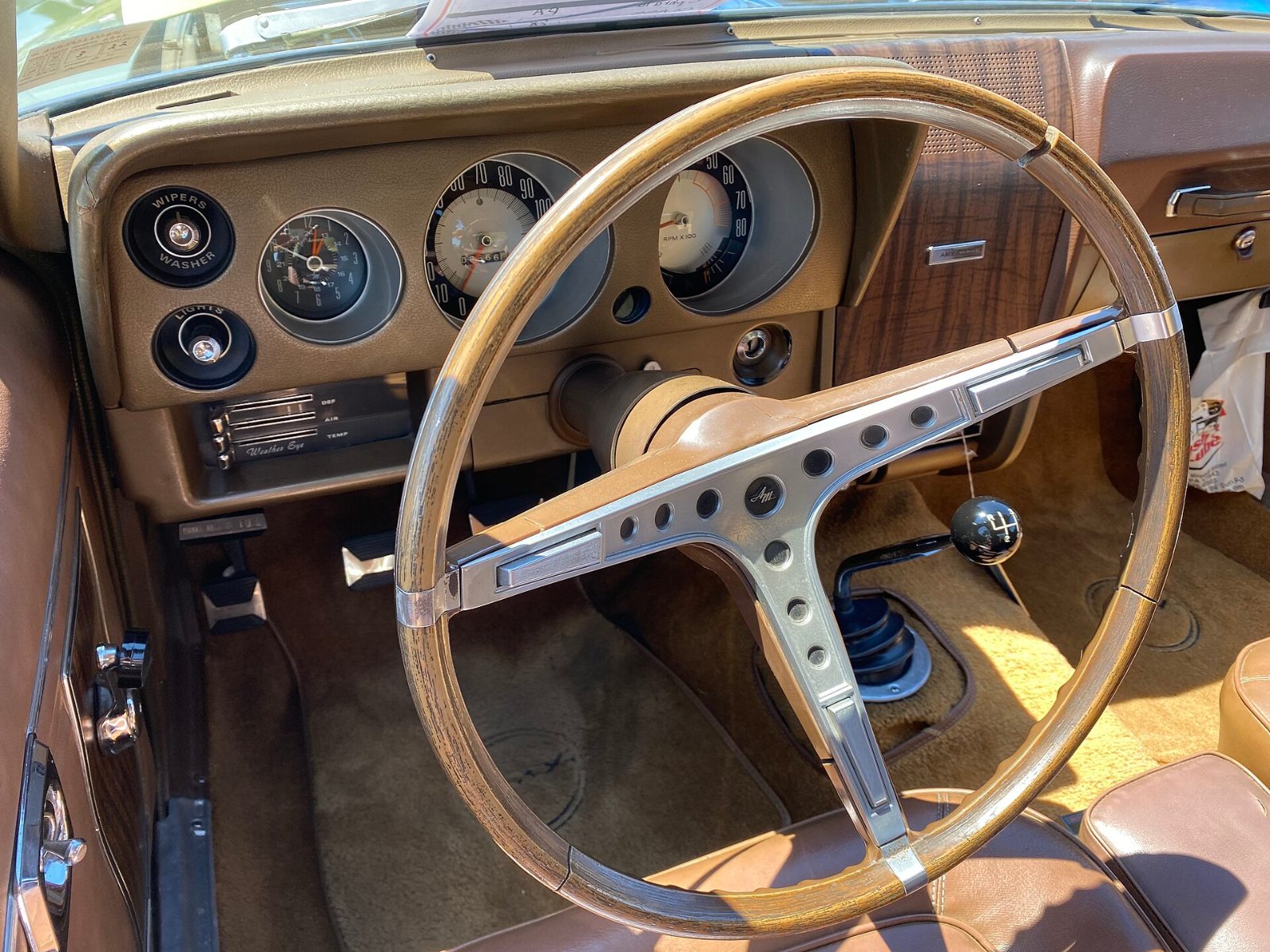
- Windscreen: the largest area of glass and right in front of you. Only clear heat-rejection films should be used here, and only where permitted.
- Panoramic roofs and sunroofs: a big source of heat on many modern SUVs.
- Rear windscreen: often large and sloped, especially on hatchbacks and coupes.
- Front side windows: close to the driver’s arms and face.
If budget is limited, some owners use premium ceramic on the windscreen (legal clear film), roof and front sides, and a lower-cost film on rear windows. Ask the installer what combinations they recommend for your car.
Installation and curing
Ceramic film is installed the same way as other tints: the glass is cleaned, the film is cut to shape and heat-formed on curved glass, then applied with a slip solution and squeegeed. A slight haze or small water pockets are normal for the first days as moisture evaporates. In UAE summer heat this happens faster; in winter it can take longer.
Keep windows up for the period your installer recommends, and avoid cleaning the inside of the glass until the film has cured.
Is ceramic tint worth the extra cost?
It tends to make the most sense if:
- you keep your car for several years
- your car often parks in the sun
- you spend long periods driving in daylight
- your car has large glass areas or a panoramic roof
- you want a lighter, legal shade without giving up comfort
For a short-term car that is mostly parked in covered garages, a good carbon film can be a sensible middle ground. For a fuller look at heat and surface protection options, see our Wrap vs PPF vs Ceramic Coating guide.
Caring for ceramic tint
Clean with a soft microfibre cloth and an ammonia-free glass cleaner. Wipe dust away gently instead of rubbing dry sand into the film. Avoid sharp objects near the glass, and do not stick suction cups or stickers onto the tinted surface. With reasonable care, a quality ceramic film should keep its look and performance for many years.
Frequently asked questions
Is ceramic tint darker than normal tint?
Not necessarily. Ceramic tint comes in many shades, including very light ones. Its advantage is heat rejection, not darkness.
Does ceramic tint block phone signal?
No. Ceramic films are non-metallic and should not affect phone, GPS or radio signals.
Can I put ceramic tint on my windscreen in the UAE?
Only clear heat-rejection films and only where permitted. Check with police in your emirate before fitting.
How long does ceramic tint last?
Quality ceramic films usually come with long manufacturer warranties. Actual life depends on the product and how well it was installed.
Is nano-ceramic the same as ceramic tint?
Nano-ceramic is a common name for the same idea: very small ceramic particles in the film. Compare products by their data sheets rather than the name.
Sources: International Window Film Association, Dubai Police, 3M Automotive Window Film
Cover photo: Dimosca, CC BY-SA 4.0. Last reviewed: 2026-11-25.